A partnership announcement is cheap to produce and, if unchecked, carries a lot of borrowed credibility: a small project attaching itself to a recognizable name can look far more legitimate than it actually is. The good news is that a real partnership almost always leaves evidence on both sides, which makes this one of the more checkable claim types in crypto coverage.
The core check: does the other side confirm it too?
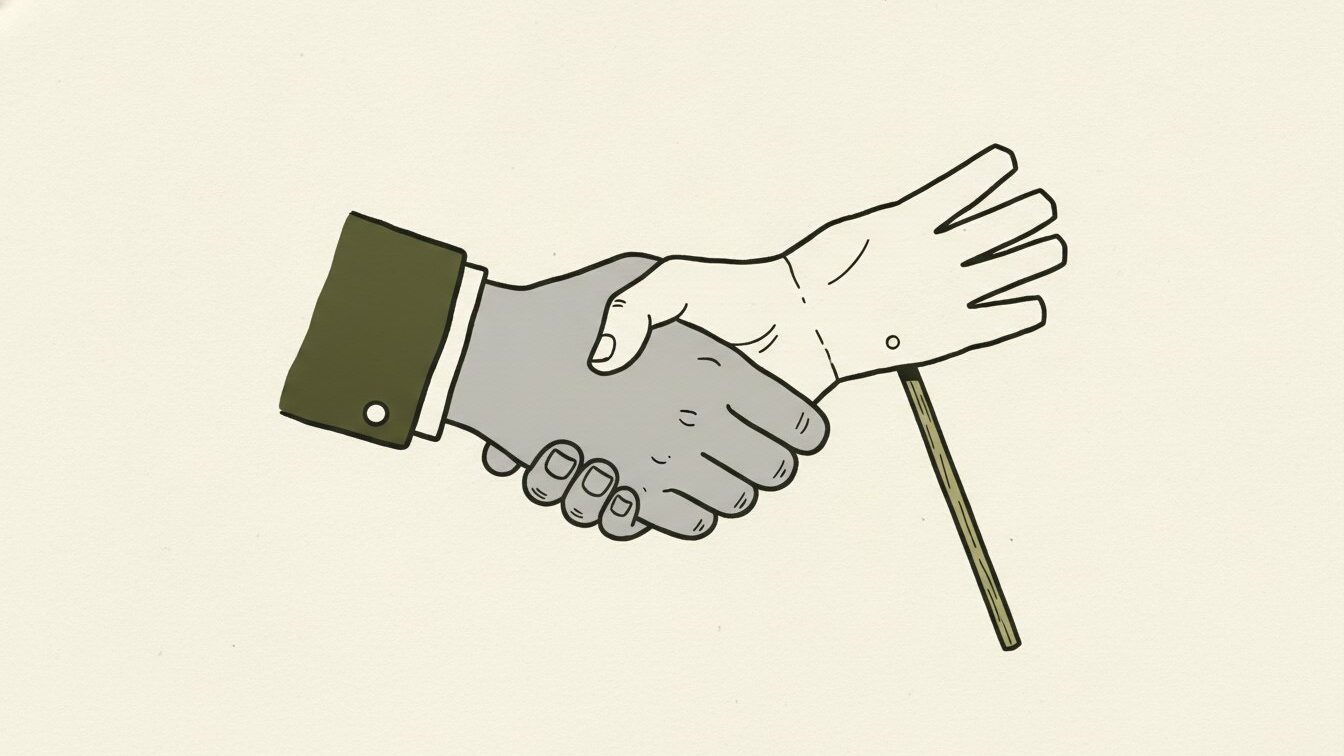
A genuine, material partnership is something the larger or more established party usually has its own reason to acknowledge, whether through its own announcement, a mention in its own documentation or integration list, or a visible technical integration that can be independently confirmed (an API connection, a listing, a deployed contract referencing the partner). A one-sided announcement – where only the smaller party has published anything about the relationship, and searching the named partner’s own official channels turns up nothing – is the single biggest red flag in this category. It does not automatically mean the claim is fabricated, since smaller or more informal relationships sometimes genuinely aren’t announced by the bigger party, but it means the claim currently has no independent confirmation and should be treated that way.
Step by step: checking a partnership claim
- Identify exactly what is being claimed – a formal partnership, an integration, an investment, an advisory relationship, or something vaguer like “collaboration.” These are different claims with different levels of real commitment, and vague language is often chosen specifically to avoid a checkable, falsifiable claim.
- Go directly to the named partner’s own official website, official social accounts, and press page, and search for any mention of the smaller party. Use the partner’s own search function or site search rather than a general web search that might surface the smaller party’s own promotional content instead.
- If a technical integration is claimed, look for the actual evidence of it: a listed integration in the partner’s own documentation, a verifiable on-chain interaction between the two parties’ contracts, or a specific product feature that visibly depends on the claimed relationship.
- Check the quality and sourcing of any quote attributed to someone at the named partner. A real quote is usually attributed to a specific, named, checkable role at the company; a vague or unattributed quote, or one that doesn’t appear anywhere on the partner’s own channels, is a weaker signal.
- Check the date and durability of the claim – a partnership announced once and never mentioned again by either side, especially after a significant amount of time, is a different signal than an ongoing, repeatedly referenced relationship.
Recurring patterns in fabricated or exaggerated announcements
- A press-release-style post distributed through a paid wire service, written to look like independent news coverage, with no matching confirmation from the named partner anywhere.
- Stock photography or a generic logo-pairing graphic used as the only “evidence” of the relationship.
- Deliberately vague verbs – “collaborating with,” “exploring opportunities with,” “in talks with” – that create an impression of a concrete deal without making a specific, checkable claim.
- Using a well-known company’s name alongside a much smaller division, regional office, or former employee’s personal involvement, blurring the line between “the company partnered with us” and “someone who once worked there is involved.”
What checking both sides doesn’t settle
Finding independent confirmation from the named partner is strong evidence the relationship is real, but it does not tell you how significant the relationship actually is in practice, how long it’s expected to last, or whether it involves any meaningful technical or financial commitment versus a lightweight co-marketing arrangement. Conversely, not finding confirmation yet doesn’t always mean the claim is false – it may simply not have been independently confirmed as of when you checked, which is itself the honest, accurate thing to report rather than either accusing fabrication or accepting the claim outright.
Checking a claimed technical integration specifically
When the claim is a technical integration rather than a general partnership – “we’ve integrated with [protocol],” “now live on [exchange]” – there is often a more concrete check available than searching for a press mention. Many protocols maintain their own public list of integrated projects, supported wallets, or listed assets, and an exchange’s own listings page is a direct, authoritative source for whether a specific asset is actually listed there. These lists are generally more reliable than a press-style announcement because they’re operational records the larger party maintains for its own users, not a marketing statement, and they tend to be kept current since an inaccurate integration list would itself cause confusion for the larger party’s own users.
Where an integration is claimed at the protocol level, checking for the actual on-chain evidence – a verified contract that calls or is called by the partner protocol’s own verified contracts – is the strongest version of this check, since it doesn’t depend on any party’s public statements at all and instead relies on the same block-explorer reading skills covered in how to read a block explorer.
Not financial advice
This guide explains how to check a specific type of public claim. It is general education, not financial, legal, or investment advice, and does not accuse any specific announcement of being fabricated; each claim needs its own individual check.
Checking a claimed investment or funding relationship
When the claim is that a specific investor or fund backed a project, a further check is available beyond searching the investor’s public statements: many investment firms maintain their own portfolio page listing current and past investments, and checking whether the project actually appears there is often more reliable than a single press mention, since portfolio pages are a firm’s own operational record rather than a one-time announcement that can go stale or get forgotten.
Checking whether the named partner has publicly disavowed the claim
Sometimes the clearest signal is not absence of confirmation but an active correction: a company occasionally issues a public statement specifically denying or clarifying a partnership claim that circulated without its involvement. Searching the named partner’s own official channels for any statement that mentions the smaller party at all – not only a confirmation, but also a denial or a clarification – is worth doing before concluding a claim is simply unconfirmed rather than actively disputed, since the two findings call for very different framing in a write-up.
Keep checking: How to Read a Token Unlock Schedule and Check It On-Chain; How to Check a Token for Rug-Pull Mechanics Before You Buy; Terra and the Korean Payment App: What the SEC Case and the 2024 Jury Verdict Record.
FAQ
Is a partnership announcement automatically fake if the bigger company hasn’t posted about it?
Not automatically. Smaller or informal relationships aren’t always announced by the larger party. But without independent confirmation, the claim should be treated as unverified rather than accepted on the smaller party’s word alone.
What’s the fastest way to check if a named company actually confirmed a partnership?
Go directly to that company’s own official site, press page, and social accounts, and search them directly for the smaller party’s name, rather than relying on a general web search that may surface promotional content instead of the partner’s own words.
Does a quote from someone at the partner company guarantee the claim is real?
A specific, named, checkable quote is a stronger signal than an anonymous or unattributed one, but ideally it should also be checkable against the partner’s own channels, not only the smaller party’s post repeating it.
Why do vague verbs like “collaborating with” show up so often in these posts?
Because they create an impression of a concrete relationship without making a specific, falsifiable claim, which makes the statement harder to disprove even when there’s little behind it.
Not financial advice. Human-edited; AI-assisted drafting is disclosed in our editorial guidelines. Spotted an error? See how corrections work.