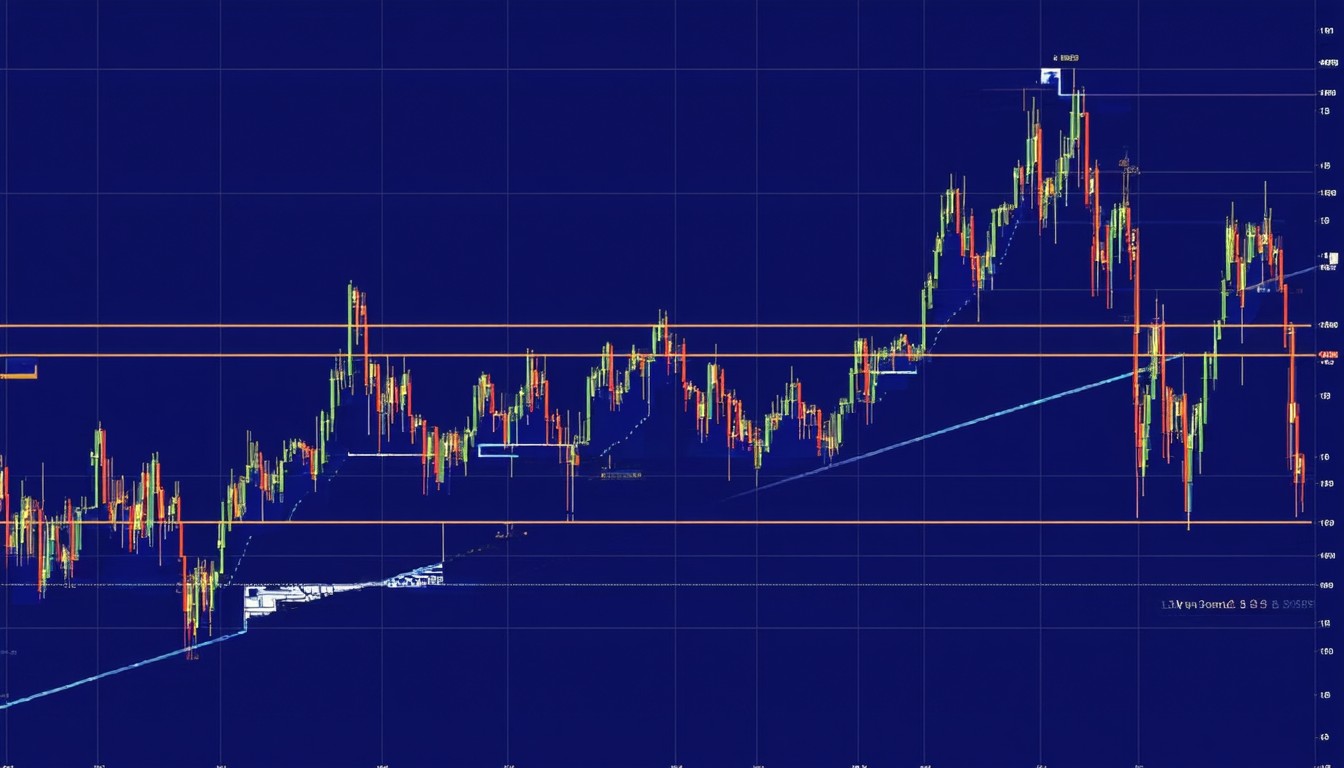

Cryptocurrency markets are famously volatile, reacting swiftly to global news, regulatory changes, and investor sentiment. When the prices of leading cryptocurrencies like Bitcoin or Ethereum fall significantly in a single day, both casual investors and seasoned traders often search for the root causes. Understanding why crypto is down today requires examining a complex interplay of factors—economic conditions, market dynamics, and technological incidents—all converging to influence digital asset valuations.
Major Drivers of Crypto Price Drops
Global Macroeconomic Uncertainty
The cryptocurrency ecosystem is no longer isolated from the broader financial world. When macroeconomic headwinds occur—like interest rate hikes from central banks, rising inflation, or recession fears—crypto assets often decline alongside traditional markets. For instance, a sudden statement from the Federal Reserve indicating faster-than-expected rate increases can trigger a wave of sell-offs across risk assets, including cryptocurrencies.
Investors frequently reassess their appetite for risk under these circumstances, leading to reduced exposure in volatile markets such as crypto. These broader financial narratives are thus pivotal in determining daily price action.
Regulatory Pressures and Government Actions
Another reason crypto markets experience abrupt downturns is the announcement or enactment of new regulations. For example, statements from the U.S. Securities and Exchange Commission (SEC) about stricter oversight, or crackdowns in major economies like China, have repeatedly caused digital assets to drop in value.
“Regulation uncertainty tends to spook even the most experienced crypto investors, leading to panic selling and sharp, short-term price declines,” notes blockchain analyst Sara Li.
Beyond regulatory rumors, actual enforcement actions—such as lawsuits against leading exchanges or bans on specific coins—can prompt immediate negative reactions in crypto prices.
Major Exchange and Platform Incidents
Exchanges serve as the central infrastructure for trading digital assets. When one is hacked, faces outages, or is accused of malpractice, the entire market can feel the repercussions. The collapse of platforms like FTX in 2022 is a notable example: fears of widespread contagion led to billions lost in market value almost overnight.
On a smaller scale, temporary disruptions—such as significant withdrawal delays on platforms like Binance or Coinbase—can trigger panic, encouraging traders to sell quickly and avoid potential losses.
Liquidations and Leverage Unwinding
Many crypto traders rely on leverage to amplify their positions, which can lead to cascading liquidations when prices begin to fall. In the event of a swift downturn, leveraged positions are automatically closed to prevent further losses. This process accelerates selling and exacerbates price declines.
Blockchain data frequently shows spikes in liquidations during rapid sell-offs, often corresponding to double-digit intraday declines in major tokens.
Sentiment Shifts and Social Media Influence
Impact of Social Networks and Influencers
Prices in crypto markets often react to real-time signals from social media and prominent figures. Negative posts, rumors, or public comments from high-profile investors can spark significant mood swings among retail traders.
Events such as a pessimistic tweet from Elon Musk or negative reports in major crypto communities have been known to trigger fast declines as investor sentiment sours.
Fear, Uncertainty, and Doubt (FUD)
The phenomenon known as “FUD” (Fear, Uncertainty, and Doubt) spreads quickly via forums and news channels. When rumors—such as potential protocol bugs or regulatory threats—circulate, panic selling can resume even without concrete facts. This highlights the emotional volatility in crypto, where psychological drivers sometimes outweigh fundamentals.
Geopolitical Events and Crisis Fears
Unforeseen geopolitical shocks have an outsized impact on both traditional and digital asset markets. News such as escalating international conflicts, economic sanctions, or turbulence in major economies can incite broad-based risk aversion.
For example, during periods of heightened tension between global powers, many investors flock to safer investment classes and divest from riskier assets like cryptocurrencies, contributing to price drops.
Crypto-Specific Factors Leading to Daily Price Drops
Network Issues and Security Concerns
Security remains a persistent risk in crypto. News of successful attacks, vulnerabilities in smart contract protocols, or reports of suspicious activity can lead to sudden drops. The discovery of critical flaws in a prominent blockchain, for instance, may prompt investors to liquidate holdings until risks are assessed.
Token Supply Events: Unlocks and Vesting Schedules
Many cryptos have preplanned token unlocks or vesting schedules, when large quantities of coins become tradable on the open market. These events introduce additional supply and can temporarily depress prices, especially if the overall market demand is weak.
Case Example: Token Unlock Impact
Take the example of decentralized finance (DeFi) projects which often schedule routine token unlocks. When these dates approach, astute investors anticipate increased sell pressure, leading to preemptive selling and, frequently, a short-term price decline.
How to Interpret Crypto Market Downturns
Short-Term vs. Structural Corrections
Not all downturns are alike. Sometimes, the market is reacting to passing headlines or scheduled technical events; other times, the sell-off reflects deeper structural issues—such as exchange insolvency, rampant speculation, or regulatory crackdown.
Distinguishing between “healthy corrections” that reset speculative excess versus failures of trust or utility is vital for long-term investors.
Market Cycles and Volatility
Historically, crypto has operated in cycles. Periods of exuberant gains are often followed by sharp corrections, sometimes losing more than half their value before rebounding. For seasoned investors, such volatility is an accepted risk, although for newcomers, it can cause anxiety and confusion.
Conclusion
Sudden drops in crypto prices are the product of multiple interwoven factors: macroeconomic pressure, regulatory news, exchange or protocol incidents, sentiment shifts, and supply events. While volatility remains a hallmark of digital assets, understanding these underlying causes can empower investors to react calmly and plan for long-term participation. Regardless of today’s dip, the crypto sector remains dynamic, continuously influenced by both global events and internal developments.
FAQs
Why do crypto prices fluctuate so dramatically day to day?
Cryptocurrency markets are highly sensitive to news, regulation, investor sentiment, and technical developments. This combination leads to frequent, sometimes sharp, price swings.
How much do regulatory events impact the crypto market?
Regulatory announcements or enforcement actions often cause immediate drops in crypto asset prices, as uncertainty discourages both institutional and retail investment.
What role do social media and influencers play in crypto volatility?
Social media platforms and prominent figures can quickly spread information or rumors, triggering collective buying or selling that amplifies market movements.
Are crypto market drops connected to broader financial trends?
Yes, cryptocurrencies increasingly correlate with global equities and other risk assets, reacting to factors like interest rates, inflation data, and economic growth projections.
What is a liquidation event in crypto, and how does it affect prices?
When leveraged traders are forced to sell assets after reaching margin limits, a cascade of liquidations can occur, resulting in sharp downward price pressure.
Can investors avoid losses during a crypto downturn?
While it’s difficult to predict exact timing, strategies like diversification, risk management, and following credible news sources can help mitigate potential losses during sudden drops.