
Bitcoin, the pioneering cryptocurrency, continues to command the attention of investors, traders, and media outlets worldwide. Known for its dramatic volatility and capacity to disrupt financial paradigms, Bitcoin’s live price serves as a critical barometer for both the digital asset ecosystem and wider market sentiment. Monitoring the real-time value of Bitcoin is not just the domain of speculators—businesses, institutions, and even governments increasingly factor it into decision-making. Delving into the live Bitcoin price reveals complex layers of market forces, trading patterns, and socio-economic triggers that shape its relentless ebb and flow.
How the Live Bitcoin Price Is Calculated
At first glance, quoting a single, “live” price for Bitcoin might seem straightforward. In practice, the process is nuanced. Bitcoin trades on hundreds of exchanges globally—each with their own liquidity, participant base, and trading pairs. No single entity sets the price; instead, the live value represents a real-time, volume-weighted average of spot prices across leading platforms such as Binance, Coinbase, Kraken, and Bitstamp. Aggregators and price indexes, like CoinMarketCap or CoinGecko, continuously update this metric to offer what most consider the “official” live Bitcoin price.
Implications of Price Discrepancies
Differences between exchange prices—sometimes termed ‘arbitrage gaps’—can occur due to factors like local demand, trading volume, fiat currency onramps, or even regional regulations. While such gaps tend to be modest and temporary, they remind observers that the live Bitcoin price is a dynamic, decentralized phenomenon.
The Role of Stablecoins and Fiat Pairs
Most Bitcoin trading is paired with stablecoins (like USDT or USDC) or major fiat currencies (USD, EUR, JPY). The liquidity and depth of these pairs significantly influence real-time price accuracy and stability, particularly during periods of high volatility.
Key Drivers of Real-Time Bitcoin Price Fluctuations
Unlike traditional assets, Bitcoin’s price responds rapidly to a distinctive combination of factors:
- Market sentiment: News of regulatory shifts, institutional adoption, or high-profile cyber events can spark immediate surges or sharp declines.
- Supply mechanisms: The fixed total supply—capped at 21 million BTC—creates a scarcity premium, especially around halving events that slow the creation of new coins.
- Trading volumes and liquidity: Thin order books or sudden influxes of capital can lead to amplified price swings.
- Macroeconomic trends: Events such as inflation spikes or currency devaluations can drive capital toward—and away from—Bitcoin as a perceived hedge.
Example: Bitcoin and Macroeconomic Uncertainty
In the wake of global banking turmoil in 2023, the live price of Bitcoin surged amid narratives positioning it as “digital gold,” drawing parallels to historical runs on safe-haven assets. Conversely, tightening monetary policies by major central banks often precipitated steep corrections, underlining Bitcoin’s sensitivity to broader economic signals.
“Bitcoin is unique among assets in that its market is never closed. Prices respond within minutes to global events, making it a real-time indicator of risk sentiment and macroeconomic uncertainty.”
— Meltem Demirors, Chief Strategy Officer at CoinShares
Tools and Platforms for Monitoring Live Bitcoin Price
Information is power in financial markets, and the tools available to track Bitcoin’s real-time value are increasingly sophisticated. Most retail investors and professionals rely on a combination of:
- Global exchange dashboards: Major exchanges supply live order book data, trade histories, and price charts.
- Aggregated price indexes: Services like TradingView, CoinMarketCap, and CryptoCompare synthesize prices from multiple sources for holistic tracking.
- Dedicated apps and widgets: Real-time notifications, customizable alerts, and analysis tools help both casual users and active traders stay in sync with market moves.
Real-World Use Case: Price APIs in Digital Products
Fintech startups and payment companies often embed live Bitcoin price feeds into their apps. For instance, Cash App users can buy or sell Bitcoin instantaneously, with the transaction rate reflecting real-time market prices sourced by APIs. This real-time integration ensures consumers are transacting at fair value—even amidst volatile market swings.
Technical Analysis: Reading Bitcoin’s Live Price Data
Traders use a blend of real-time data and historical chart patterns to make informed decisions. Technical analysis—drawing from celebrated indicators like moving averages, Relative Strength Index (RSI), or Bollinger Bands—becomes especially relevant in hyperactive crypto markets. Some key analytical approaches include:
Short-Term Volatility Assessment
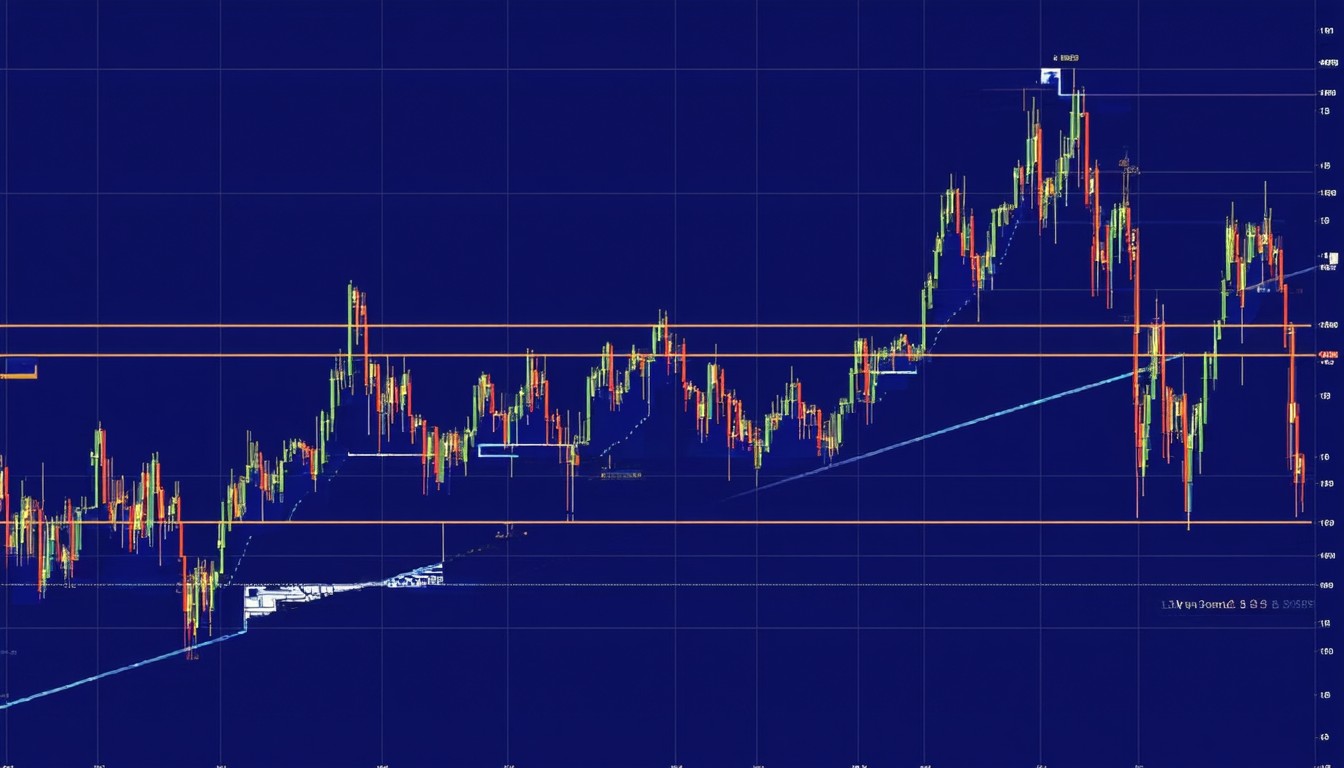
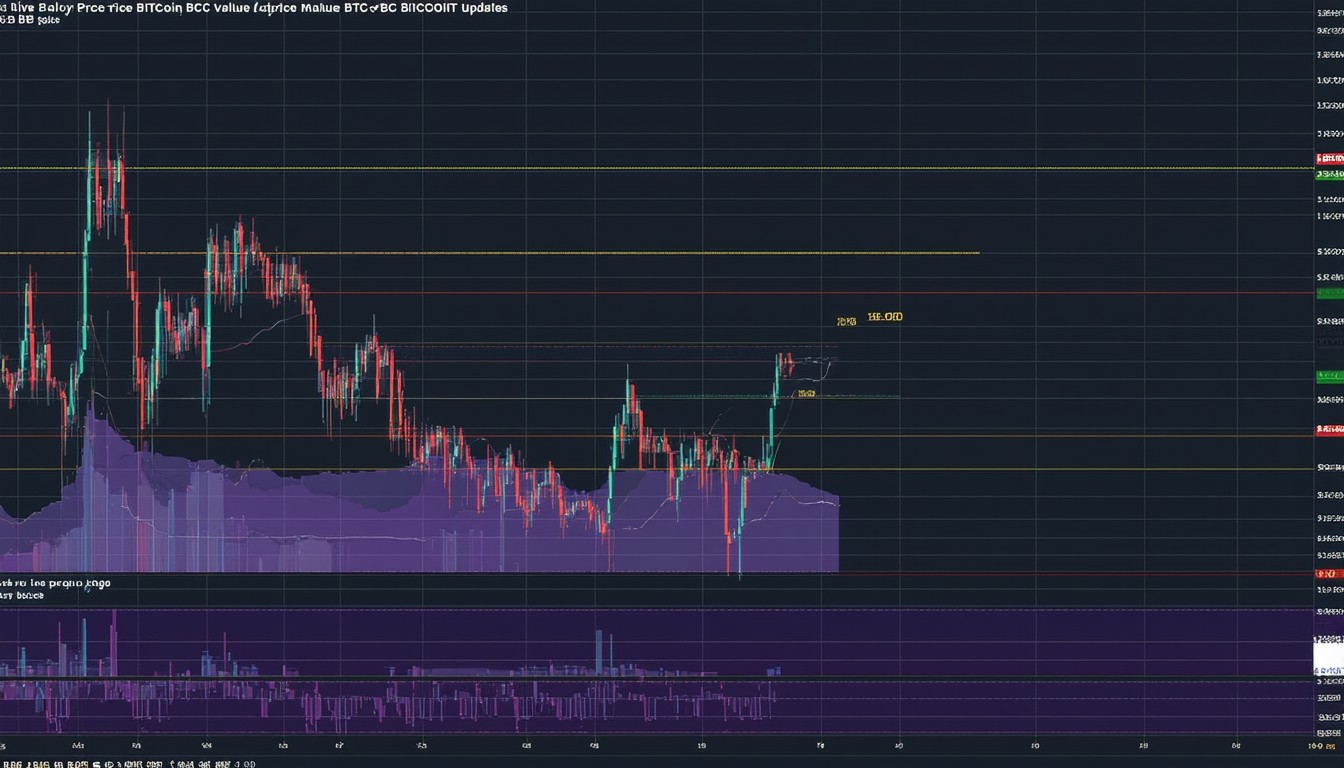
- Candlestick charts depict rapid sentiment shifts, highlighting intraday support and resistance.
- Volume spikes often precede major moves, revealing ‘whale’ activity or retail rushes.
- Order book depth can signal potential for sharp price swings if liquidity suddenly thins.
Medium- to Long-Term Trends
- Moving averages (MA): Crossovers and trendlines provide context for support and momentum.
- On-chain data: Metrics like active wallets or transaction volumes offer clues about fundamental network activity, often preceding significant price moves.
Limitations and Risks
No technical indicator can predict price moves with certainty, particularly in a market susceptible to emotional extremes and sudden external shocks. Combining technical cues with market news, macroeconomics, and blockchain analytics remains best practice.
Real-World Scenarios: When the Live Bitcoin Price Matters
Beyond speculative interest, the live Bitcoin price influences multiple sectors:
- Merchant acceptance: Businesses accepting Bitcoin often use spot conversion services, locking in prices at the moment of transaction to avoid slippage.
- Cross-border remittances: International payments can be executed over the Bitcoin network, with senders and recipients hedging their exposure using real-time rates.
- Institutional allocation: Asset managers track live prices to manage portfolio rebalancing and risk exposure—especially as Bitcoin becomes part of diversified investment strategies.
Case Study: ETF Launches and Price Spikes
The recent introduction of Bitcoin ETFs in major financial markets provided a live demonstration of price sensitivity to institutional news. In several instances, announcements or anticipated approvals translated into immediate double-digit price swings—demonstrating the direct pipeline from market developments to live price reactions.
The Bigger Picture: Bitcoin’s Live Price as an Economic Signal
Bitcoin’s real-time price data is more than just a number—it’s an evolving indicator of collective belief, technological progress, and occasional turmoil. Unlike traditional market tickers that close overnight or on weekends, Bitcoin’s global, 24/7 nature means its price absorbs, reflects, and projects economic and socio-political narratives in real time. Investors and observers are thus compelled to not only watch the number, but to interpret the context behind every spike, dip, and plateau.
Conclusion
Tracking the live Bitcoin price provides an invaluable window into the dynamic interplay of technology, economics, and human psychology. With relentless volatility and a borderless, round-the-clock trading landscape, Bitcoin’s price acts as both a catalyst and a gauge for the broader digital economy. For all stakeholders—from individual traders to multinational institutions—staying attuned to live price movements is essential for effective decision-making, risk management, and capitalizing on new opportunities in this ever-evolving financial frontier.
FAQs
What determines the live Bitcoin price?
The live price is calculated as a volume-weighted average of trades across major global exchanges, continually updated to reflect the most recent transactions.
Why do Bitcoin prices differ between exchanges?
Slight discrepancies arise due to variations in liquidity, trading pairs, local demand, and sometimes even exchange-specific management of deposits and withdrawals.
How often does the live Bitcoin price update?
Most price trackers refresh every few seconds or even in real-time, ensuring that prices closely reflect active trades happening globally.
Is the live Bitcoin price the same as the trading price I’ll get?
Not exactly—transaction fees, slippage, and the particular platform in use can cause your execution price to differ slightly from the quoted live rate.
Where can I monitor the live Bitcoin price accurately?
Reliable sources include major exchanges (like Coinbase, Binance), aggregators (CoinMarketCap, CoinGecko), and specialized financial news outlets with crypto dashboards.
Does high volatility mean Bitcoin is risky to buy?
Volatility can lead to both significant gains and losses. Understanding how to read and respond to price changes—as well as your own risk tolerance—is crucial when interacting with Bitcoin markets.