
The Bitcoin to US Dollar (BTC USD) exchange rate stands at the heart of the global crypto market. Investors, traders, institutions, and enthusiasts scrutinize the live price of Bitcoin not just as a speculative gauge but as an economic pulse. Over the past decade, Bitcoin’s price trajectory has reflected seismic shifts in sentiment, regulation, and technological adoption. Each movement in the BTC USD current price sends ripples through global financial ecosystems—informing trading strategies, investment decisions, and cross-border fund transfers.
As digital assets continue to influence mainstream finance, understanding how the BTC to USD price is set, what moves it, and how to interpret live data is indispensable for anyone engaging in cryptocurrencies.
How BTC USD Price is Determined
Market Forces and Exchange Activity
Bitcoin’s price against the US dollar is not set by any central authority. Instead, it emerges dynamically from supply-and-demand interactions on dozens of global cryptocurrency exchanges. Each platform—such as Coinbase, Binance, or Kraken—hosts order books where buyers and sellers place bids (to buy) or asks (to sell). The prevailing BTC USD current price is simply the most recent price a trade occurred at.
Factors Influencing the Live Price
Several intertwined variables can cause real-time shifts in the BTC USD rate:
- Liquidity and Volume: Higher trading volumes generally tighten the spread between buyers and sellers, stabilizing prices. Thinly traded periods, conversely, can amplify volatility.
- Macro-Economic News: Changes in US monetary policy, inflation data, or broader geopolitical events can prompt capital flows in and out of Bitcoin.
- Crypto-Specific Developments: Network upgrades, major hacks, or regulatory announcements often cause swift repricing.
- Global Adoption: As more institutional investors, payment processors, and fintech firms integrate Bitcoin, investor confidence—and thus price—can rise.
“Bitcoin’s price is a live barometer, not just of cryptocurrency sentiment but of emerging economic trends worldwide,” says Michael Nadeau, analyst at The DeFi Report.
Price Aggregation & Indexes
Because no single exchange determines the “official” value, major data providers—such as CoinMarketCap, CoinGecko, and TradingView—aggregate prices from multiple sources to provide volume-weighted averages. This helps traders and analysts benchmark the BTC USD current price with consistency and transparency.
Real-World Use Cases: Why the BTC USD Price Matters
Institutional and Retail Trading
Professional and retail traders track the BTC USD price constantly to execute trades, set stop-losses, or transmute crypto into fiat. During high-volatility events, such as major US CPI releases or central bank decisions, the BTC USD price chart often shows dramatic swings.
For example, during the 2020-2021 bull run, Bitcoin’s price soared from under $10,000 to over $60,000, fueled by institutional investments and monetary stimulus. This price appreciation led traditional finance firms, such as MicroStrategy and Tesla, to add billions in BTC on their balance sheets—validating Bitcoin’s role as both a speculative and strategic asset.
Remittance and Payments
For individuals transacting across borders, the live BTC USD rate affects real purchasing power. Workers sending money home, freelancers accepting crypto, or entrepreneurs in economically unstable countries frequently convert Bitcoin to US dollars as a hedge against local currency devaluation. Minute-by-minute price tracking ensures optimal exchange rates and reduces conversion risk.
Store of Value and Hedging
In countries facing runaway inflation—such as Venezuela, Argentina, or Turkey—the real-time Bitcoin to USD exchange rate can be a lifeline. Citizens check the current price to decide when to convert savings, make purchases, or simply preserve value. This “digital gold” function underpins much of global demand.
Interpreting BTC USD Price Charts and Tools
Types of Charts and Analysis
Understanding the nuances of the BTC USD price requires effective use of charting platforms. These tools offer:
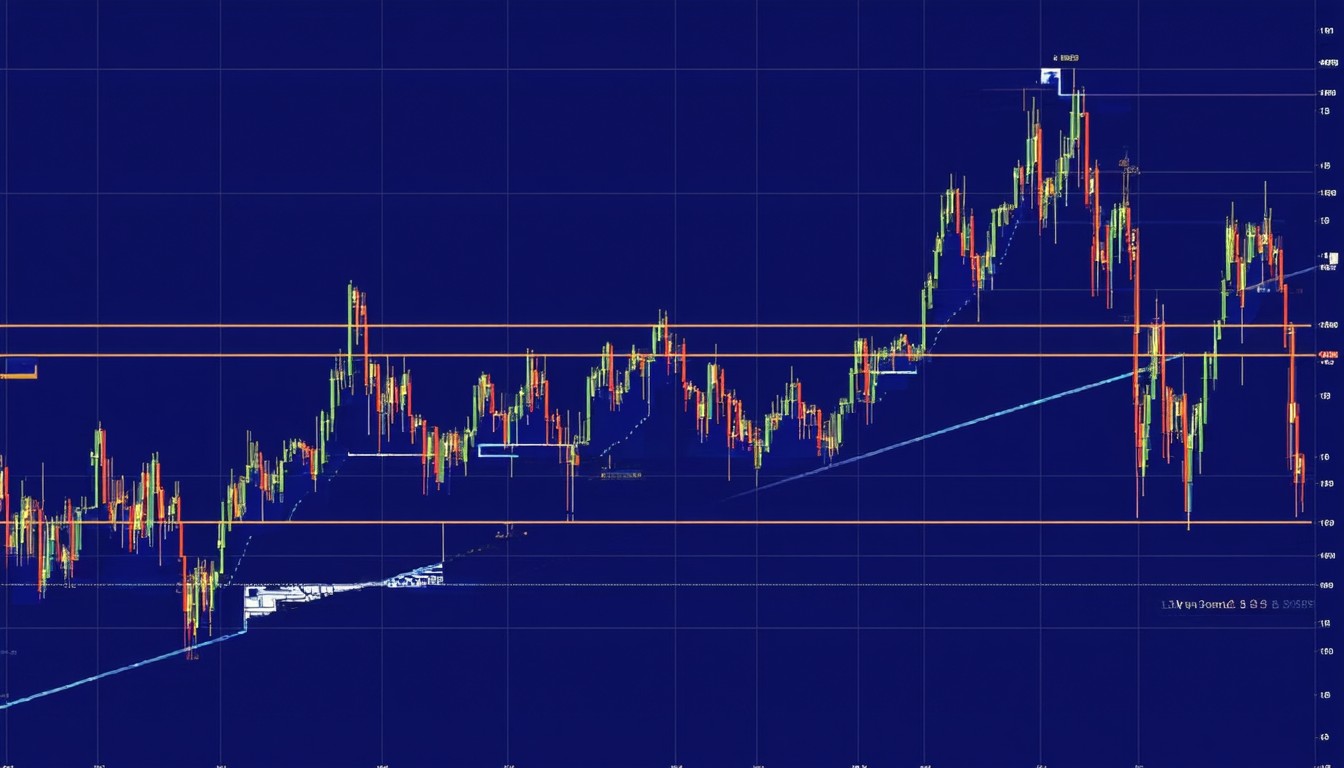
- Candlestick Charts: Visualize open, high, low, and close prices by the minute, hour, or day.
- Volume Indicators: Signal the intensity of trading at different price levels.
- Technical Analysis Overlays: Moving averages, Bollinger Bands, Relative Strength Index (RSI), and more help traders spot trends and anticipate reversals.
Seasoned analysts incorporate both fundamental events—such as SEC decisions on ETFs—and real-time chart patterns when making predictions.
Real-Time Data Feeds
Most institutional-grade platforms provide tick-by-tick updates of the BTC USD price via APIs and mobile apps. This has made it possible for algorithmic trading, where bots exploit microsecond changes in price for profit. In contrast, casual investors may use mobile price alerts or widgets to keep an eye on major moves.
Risks of Reliance on Single-Exchange Pricing
Reliance on one exchange’s quote can be misleading, especially at times of high volatility, exchange downtime, or regional liquidity crunches. Price discrepancies—sometimes called arbitrage opportunities—briefly open when Bitcoin is priced differently across platforms due to local demand, capital controls, or technical glitches. Global price indexes mitigate this discrepancy but savvy traders remain alert.
Key Drivers and Recent Trends in BTC USD Pricing
Macro-Economic Catalysts
Beyond crypto-centric news, broad economic policies have increasingly steered the BTC USD exchange rate. For instance, US Federal Reserve rate hike cycles can make traditional assets more attractive, drawing capital away from Bitcoin and pressuring its price. Conversely, dovish policy or concern over fiat devaluation often sends money into the digital asset.
Institutional Adoption and Regulatory Moves
The evolving regulatory environment heavily impacts confidence and liquidity. The approval of spot Bitcoin ETFs in several major economies in 2024 marked a turning point, making Bitcoin accessible to millions through traditional brokerage accounts. However, ambiguous or restrictive rules in certain regions continue to inject short-term volatility.
Network and Technology Developments
Upgrades to Bitcoin’s underlying protocol (such as Taproot) increase network efficiency and can spark price rallies. Conversely, high transaction fees or scaling debates have at times spooked traders, leading to rapid selloffs.
Best Practices: Tracking the BTC USD Current Price
Watching Live Price with Caution
Given the asset’s volatility, experts advise against “overwatching” the price or making impulsive trades based solely on minute-to-minute data.
“The key is to develop a disciplined approach: follow price movement, but let your long-term strategy—not emotion—drive your decisions,” explains Meltem Demirors, Chief Strategy Officer at CoinShares.
Tools for Reliable Monitoring
Savvy investors rely on:
- Aggregated Indexes: For a reliable average across exchanges.
- Mobile Apps: For instant notifications on large price swings.
- APIs and Bots: To automate trading strategies while keeping slippage and fees in check.
- Multifactor Analysis: Combining live price data with news, social sentiment, and on-chain metrics.
Setting Alerts and Understanding Liquidity Windows
The highest activity for the BTC USD price frequently overlaps with the opening hours of major US and Asian exchanges. By setting custom price alerts, traders can act decisively without staring at charts all day.
Conclusion: Navigating the Dynamic BTC USD Landscape
The live Bitcoin to US Dollar exchange rate is more than just a ticker number; it’s a reflection of global economic sentiment, technological innovation, and an evolving regulatory landscape. Whether trading, remitting, or hedging value, understanding what moves the BTC USD current price — and how to track it reliably — can empower more strategic financial decisions. As digital assets stabilize their role in traditional portfolios, informed vigilance and disciplined strategy remain the investor’s best tools.
FAQs
What determines the BTC USD current price?
The BTC USD price is determined by real-time trading activity on crypto exchanges, where supply meets demand. Prices can vary slightly between both platforms and regions due to volatility and liquidity levels.
Where can I find the live Bitcoin to US Dollar price?
Reliable sources include major exchanges like Coinbase and Binance, and data aggregators such as CoinMarketCap and CoinGecko. These platforms offer up-to-the-second updates and often provide widgets or API services for convenience.
Why does the BTC USD price fluctuate so much?
Bitcoin’s price swings are influenced by factors like market sentiment, economic news, regulatory changes, and even social media trends. Its relative youth and lack of central intervention also amplify volatility compared to traditional currencies.
Is there a ‘best’ time to trade BTC for USD?
Periods of high liquidity, such as the overlap of US and Asian market hours, typically offer better price discovery and lower spreads. However, short-term price timing is risky given crypto’s volatility.
Can the BTC USD price be different on separate exchanges?
Yes, slight differences—often termed “arbitrage gaps”—can occur, especially during periods of rapid price movement or regional demand spikes. Using volume-weighted averages is recommended for accuracy.
Are live BTC USD prices affected by global economic events?
Absolutely. Major economic policies, inflation data, and global events can all move demand for Bitcoin relative to the dollar, impacting the real-time exchange rate.