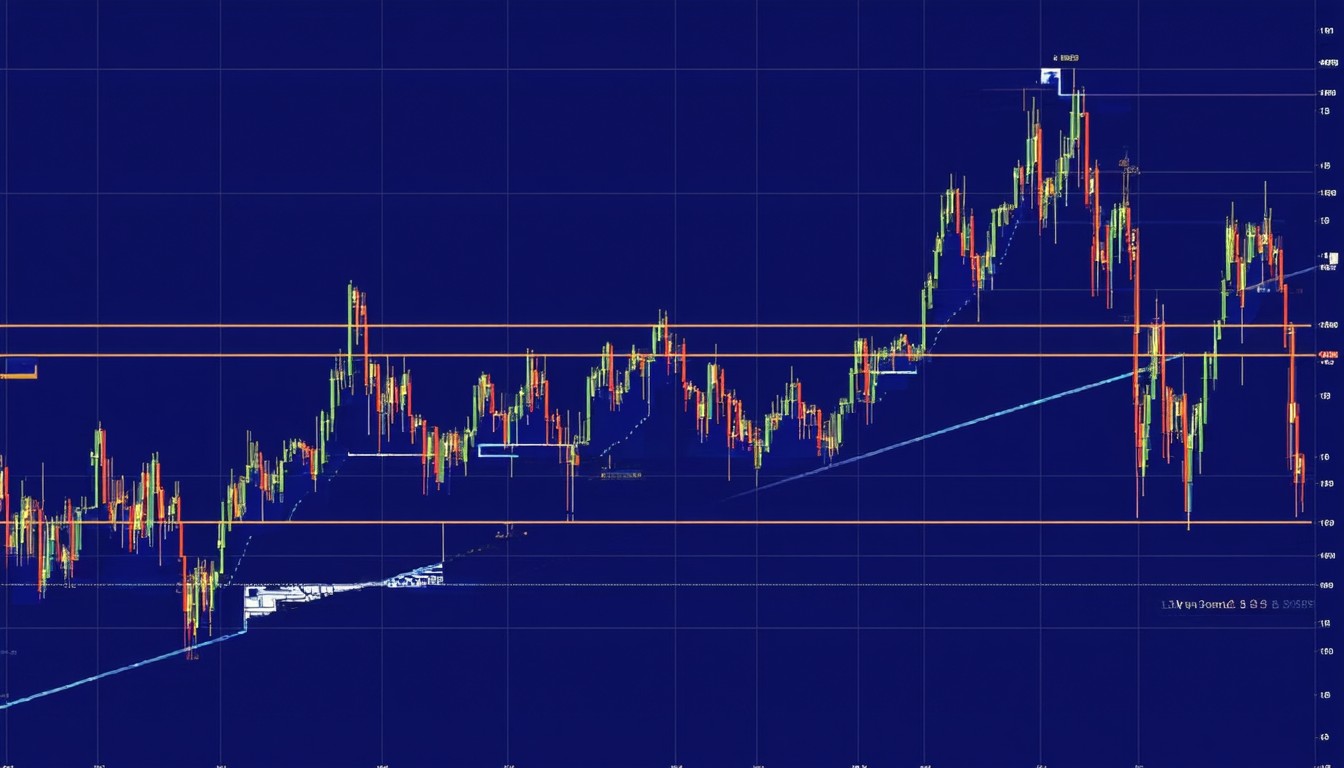


The story of Bitcoin’s all-time high (ATH) is one of rapid innovation, global intrigue, sharp volatility, and a relentless spirit of financial disruption. Over its decade-and-a-half lifespan, Bitcoin has set—and broken—multiple record price ceilings, each time stirring global headlines and fueling debates about the future of money. What drives these surges? What do Bitcoin’s peaks tell us about broader financial trends? Delving into the history, triggers, and implications of Bitcoin’s ATH offers insight, not just for investors, but for anyone interested in the digital economy’s future.
Charting the Course: A Timeline of Bitcoin’s Most Notable All-Time Highs
Bitcoin’s journey from an obscure digital experiment to a globally recognized asset is punctuated by dramatic price breakthroughs. Each ATH has occurred against the backdrop of changing market dynamics, adoption trends, and macroeconomic forces.
2011: Breaking the $1 Barrier
Although Bitcoin debuted with no real market price, it first crossed $1 in February 2011. This symbolic milestone, though modest today, marked a key proof of concept—that digital scarcity could fuel real monetary value.
2013: The $1,000 Psychological Threshold
By late 2013, driven by growing awareness and the infamous Cyprus banking crisis, Bitcoin surged past $1,000. The event triggered a flurry of interest from early adopters and speculators alike, demonstrating that cryptocurrency could move beyond the tech underground.
2017: From $1,000 to $20,000 in a Feverish Rally
Bitcoin’s most iconic run captivated mainstream media in 2017. Starting the year near $1,000, Bitcoin reached past $19,000 in December. Factors such as the rise of crypto-focused funds, increased Asian demand, and the launch of Bitcoin futures trading played pivotal roles.
2020–2021: Institutional Adoption and the March Toward $69,000
The pandemic years fundamentally changed Bitcoin’s narrative. Companies like Tesla and MicroStrategy added Bitcoin to their balance sheets, and payment networks such as PayPal launched Bitcoin buy/sell services. Bitcoin rocketed to a new ATH near $64,000 in April 2021 before peaking above $69,000 in November the same year, fuelled by inflation fears, macroeconomic stimulus, and increased public legitimacy.
2024: Renewed Surges Following Bitcoin ETF Approvals
In early 2024, US regulatory approval for spot Bitcoin ETFs led to a significant influx of institutional capital, propelling Bitcoin to new heights and signaling a maturing asset class.
What Triggers Bitcoin’s All-Time Highs? Dissecting the Catalysts
Understanding what drives Bitcoin to reach all-time highs is as important as tracking the numbers themselves. Historically, a confluence of factors has typically converged during each rally:
1. Macro-Economic Instability & Fiat Currency Fears
Worries about currency devaluation, inflation, or failing banks often prompt both retail and institutional capital to seek alternatives. In Cyprus (2013) and Greece (2015), capital controls highlighted Bitcoin’s unique value proposition as “digital gold,” providing an option to store wealth outside traditional banking systems.
2. Institutional Adoption and Mainstream Recognition
The embrace of Bitcoin by major firms, asset managers, and payments companies provides credibility. The launch of futures on the CME (2017) and the introduction of Bitcoin ETFs (2024) are prime examples, opening doors for larger pools of capital and making Bitcoin a more conventional asset in investment portfolios.
3. Technological Developments and Network Upgrades
Protocol changes and scaling solutions—such as SegWit or the Lightning Network—have improved transaction efficiency and reduced fees, making Bitcoin more attractive for both users and businesses.
4. Regulatory Milestones and Global Policy
Positive regulatory developments encourage participation, while harsh crackdowns can create significant drawdowns. Approval of crypto investment products, or clearer legal frameworks, often act as bullish catalysts.
5. Media Coverage and Viral Momentum
Mass media coverage during bull runs leads to retail FOMO (fear of missing out), intensifying price momentum and increasing volatility. Social media influencers and viral content can magnify this effect within crypto communities.
“Every Bitcoin all-time high tells a story—not just of speculative demand, but of growing distrust in legacy institutions, technological progress, and the shifting psychology around digital value,” notes Lisa Bratcher, a digital asset strategist.
Investor Mindset: The Emotional Dynamics of New Highs
When Bitcoin is at or near its ATH, psychological factors shape investor decisions as much as technical ones. For newcomers, ATHs evoke excitement and promise; for veterans, caution and historical memory of sharp corrections.
Greed, Fear, and Confirmation Bias
- Fear of Missing Out (FOMO): As prices soar, many pile in late, driven by the belief that new highs will spark further surges.
- Profit-Taking: Early investors may choose to realize gains, adding selling pressure.
- Recency Bias: The tendency to expect recent trends to continue often distorts perception, amplifying risk-taking behavior as highs are approached.
Risk Management and Long-Term Strategy
Amid enthusiasm, disciplined investors remember previous crashes and employ risk management—diversification, stop-losses, and periodic rebalancing. Historical ATHs have often been followed by steep corrections, underlining the importance of a level-headed approach.
After the Peak: What Follows an All-Time High?
Each Bitcoin ATH has historically been followed by increased media scrutiny, regulatory attention, and a period of volatility. In some cases, drawdowns have reduced Bitcoin’s value by more than 70% from the peak before recovery.
Bear Markets and Correction Cycles
Short-term corrections after ATHs are typical—as seen in 2014, 2018, and to a lesser extent in 2022. “Crypto winters” have tested investor conviction, though each recovery has seen Bitcoin surpass old highs and set new ones, demonstrating remarkable long-term resilience.
Broadening Market Impact
New highs tend to spur broader cryptocurrency market rallies, known as “altcoin seasons,” and inspire innovation within fintech and DeFi sectors. The ripple effects extend to regulatory debates, new policy proposals, and evolving public sentiment toward digital assets.
Bitcoin’s All-Time Highs in the Context of Global Finance
Bitcoin’s recurring ATHs have broader implications for global finance. Some see these milestones as evidence of digital assets’ growing role as an alternative store of value or inflation hedge. Others remain skeptical, citing persistent volatility and unclear regulatory paths.
Still, the asset’s ability to repeatedly recover and exceed earlier peaks underscores a fundamental shift in perceptions about what constitutes money and value in the 21st century. As central banks explore digital currencies and young investors seek financial autonomy, tracking Bitcoin’s all-time highs remains a vital barometer of generational change.
Conclusion: The Evolving Narrative of Bitcoin’s Price Milestones
Bitcoin’s path to repeated all-time highs is neither linear nor predictable. Each new surge reflects technological advancement, changing socio-economic realities, and the collective psychology of global markets. For both enthusiasts and skeptics, these price milestones offer a lens through which to view the rise of a new financial paradigm—one shaped by decentralization, digital scarcity, and borderless participation.
Staying informed about the underlying catalysts, risks, and emotional dynamics around ATHs is essential for anyone engaging with Bitcoin—whether as an investor, policymaker, or observer. While volatility remains inevitable, the broader adoption and lasting impact of Bitcoin’s record-breaking moments point to a maturing and increasingly relevant digital asset ecosystem.
FAQs
What is meant by ‘Bitcoin all-time high’?
A Bitcoin all-time high refers to the highest price Bitcoin has ever reached on public markets at a given point in history, serving as a marker of peak investor enthusiasm and market demand.
How often does Bitcoin reach a new ATH?
The frequency is unpredictable, as it depends on a mix of market cycles, adoption trends, and macroeconomic shifts. Historically, new ATHs have occurred during major bull runs every few years.
What typically happens after Bitcoin sets a new high?
Following an ATH, Bitcoin often experiences heightened volatility. It may undergo substantial corrections or “crypto winters,” though over time it has tended to recover and surpass previous records.
What factors contribute most to Bitcoin reaching new highs?
Key drivers include macroeconomic uncertainty, increased institutional adoption, positive regulatory developments, technological improvements, and surges in public and media interest.
Is it safe to invest in Bitcoin at its all-time high?
Investing near an ATH carries higher risk due to greater volatility and the potential for corrections. It’s important to approach such periods with careful research, discipline, and risk management strategies.
How do Bitcoin’s all-time highs affect other cryptocurrencies?
Bitcoin ATHs often trigger rallies across the broader crypto market, with altcoins seeing increased trading volumes and price movements as new capital enters the space and investor optimism rises.