
Few phenomena capture the volatility and intrigue of modern finance like the real-time movement of major cryptocurrencies. Among them, Ethereum – the pioneering smart contract platform – stands as a barometer for the digital asset ecosystem. For traders, investors, and onlookers, tracking the Ethereum price live has become a necessity. Beyond the apparent price swings, Ethereum’s value reflects emerging trends in decentralized finance (DeFi), NFT marketplaces, and global macroeconomic sentiment. Real-time ETH to USD charts and continuous market updates don’t just inform; they empower split-second decisions and long-term strategies alike.
How Ethereum’s Price is Determined in Real Time
Ethereum’s price emerges from a web of exchanges, algorithms, and human sentiment. Unlike traditional equities traded in a single marketplace, ETH is quoted across dozens of global exchanges – from Coinbase to Binance to decentralized platforms like Uniswap. Real-time pricing happens when buy and sell orders are matched instantly, averaging across leading markets to produce a fluid and responsive ETH to USD rate.
Influencers of Live Ethereum Price
Several key factors drive short-term and long-term price fluctuations:
- Trading Volume: Bursts of activity can spike prices up or down, especially during high volatility events.
- Market Sentiment: News about regulations, major protocol upgrades (like Ethereum’s “Merge”), or large hack events can swing sentiment sharply.
- On-chain Data: Number of active wallets, DeFi protocol usage, and staking statistics serve as on-chain indicators for price direction.
- Macroeconomic Trends: Global inflation, dollar strength, and tech sector news can spill over into crypto markets.
In practice, price feeds from reputable data aggregators like Coinbase Pro, CoinGecko, or TradingView strive to synthesize this torrent of inputs second by second.
The Importance of Real-Time Charts and Market Updates
Live Ethereum charts serve more than just day traders; they’re a vital resource for institutional investors, blockchain developers, and even policymakers. The granularity of these charts—often displaying candles as short as one minute—reveals the rhythm of market movements and provides a record of collective sentiment.
Reading the ETH to USD Chart
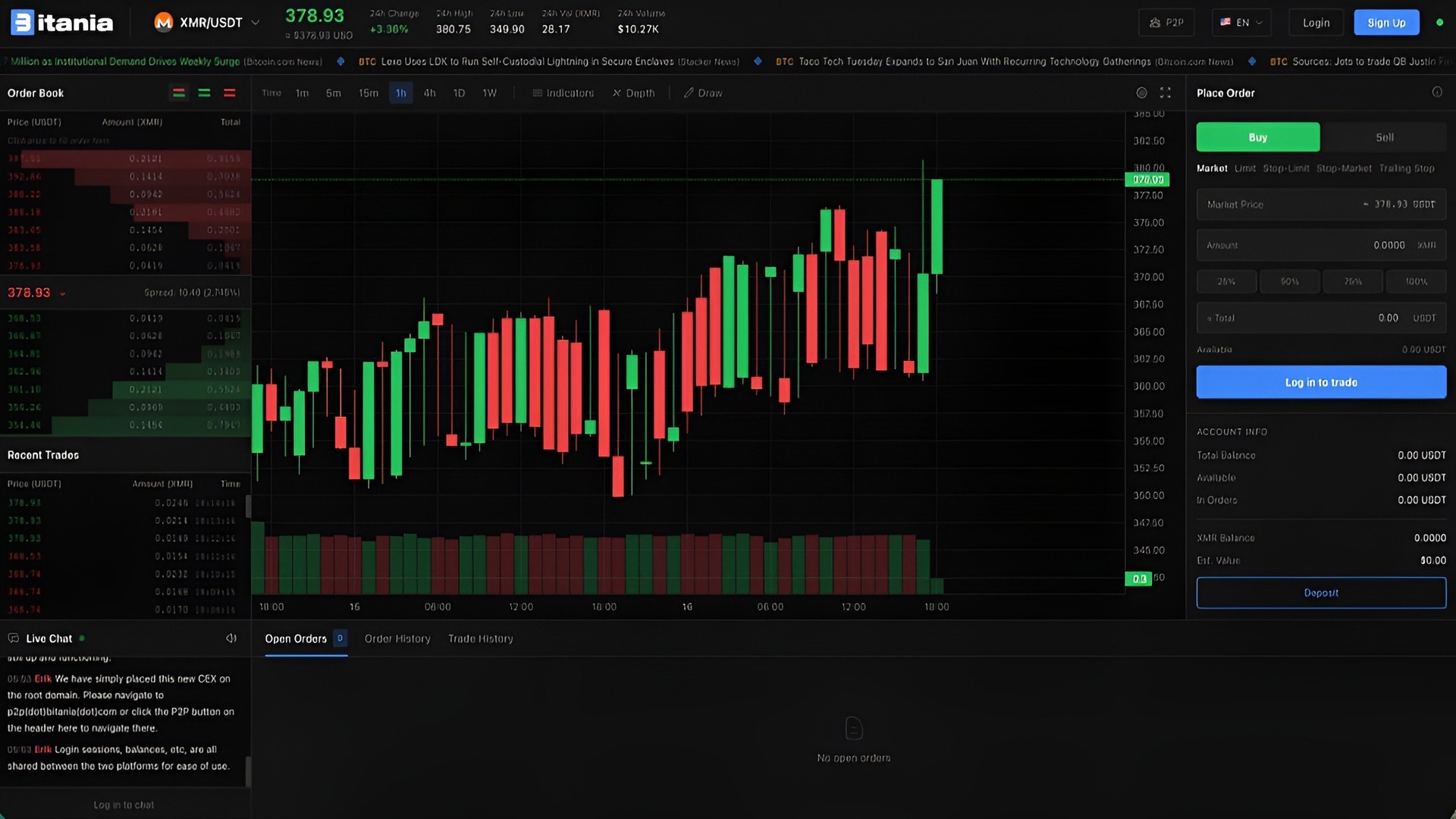
A robust ETH/USD chart will typically offer:
- Price Candles: Visual representation of open, close, high, and low within a given interval.
- Depth and Order Book: Reveals buy and sell limits at various price points, reflecting real-time liquidity.
- Indicators and Overlays: Tools like moving averages, RSI, and Bollinger Bands offer context for identifying trends or potential reversals.
Well-designed dashboards commonly include additional data, such as:
- Market cap and circulating supply
- Historical price comparisons
- Volume heat maps
- Alerts on key price milestones
“In fast-moving markets like Ethereum, access to accurate real-time data isn’t a luxury—it’s essential for avoiding unnecessary risk and capitalizing on fleeting opportunities,” notes Michael Nowotny, a veteran digital asset analyst.
Key Events and Macro Trends Impacting Ethereum Price in 2024
The crypto landscape is uniquely susceptible to inflection points—technical upgrades, legal news, or macroeconomic shocks.
Major Protocol Updates
Upgrades like Ethereum’s recent transition from proof-of-work to proof-of-stake (the Merge) have had outsized influence on both perception and price. These events impact security, scalability, and energy efficiency, which, in turn, feed back into network growth and valuation.
Regulatory Developments
The ongoing evolution of digital asset regulation—particularly in the U.S. and Europe—directly impacts Ethereum’s live price swings. Clarity around the legal status of staking rewards, securities classification, and DeFi compliance is routinely met with immediate market reaction.
Adoption and Institutional Flows
Major moves—such as a Fortune 500 company integrating Ethereum or a large ETF product launching on the ETH platform—send both the price and attention spiraling upward. In 2024, institutional capital flows remain a core price driver, with each quarterly report offering fresh fuel for the live market narrative.
Tools and Strategies for Tracking Ethereum’s Live Price
A host of platforms offer real-time ETH data, but selecting the right combination of tools can make all the difference in effective decision-making.
Leading Platforms for Live ETH Data
- CoinMarketCap and CoinGecko: Aggregated real-time data, with mobile apps and portfolio features.
- Trading platforms (Binance, Kraken, Coinbase Pro): Direct order book access and per-second pricing.
- Decentralized finance tools (Dune Analytics, Nansen): Custom dashboards tracking on-chain trends impacting price.
Building an ETH Monitoring Toolkit
Advanced users combine multiple approaches:
- Custom Alerts: SMS/Email triggers on price thresholds (e.g., ETH breaching $3,000).
- APIs and Widgets: Integrating live feeds into personal dashboards or websites.
- Social Sentiment Trackers: Tools like LunarCrush analyze social media for shifts in community sentiment correlating with price volatility.
Real-World Scenarios
Consider the brief “flash crash” events that occasionally sweep across crypto: within minutes, ETH’s price may drop by double digits, triggering auto-liquidations before rebounding. Traders equipped with direct feeds and alert systems can respond far faster than those relying on delayed data, mitigating losses or seizing bargain entries.
Technical Analysis: What the Real-Time Data Reveals
Beyond face-value numbers, technical analysis (TA) attempts to decode patterns and predict future movement from live ETH charts.
Common Technical Indicators in ETH Trading
- Moving Averages (MA & EMA): Smoothing out price action to reveal overall direction.
- Relative Strength Index (RSI): Gauges whether ETH is overbought or oversold.
- Volume Analysis: Validates strength behind price moves—rising volume with rising price often signals a sustained trend.
Some advanced traders overlay Fibonacci retracement levels, Ichimoku Clouds, or Elliott Wave patterns, though these tools require nuance and discipline to interpret properly.
Case Snapshot: Market Response to ETH ETF News
A notable pattern in early 2024 featured Ethereum’s price reaction to rumors of a U.S.-based spot ETH ETF approval. Quickly, the live price surged, only to partially retrace after clarifying statements from regulators. This episode epitomized how velocity of information is now matched only by the velocity of liquidity in digital markets.
Risks and Limitations When Relying On Live ETH Price Feeds
While invaluable, live data streams aren’t infallible. Outages, manipulation, or erroneous pricing – sometimes called “fat finger trades” – can momentarily skew the market. Decentralized exchanges, in particular, may see greater price fragmentation during low-liquidity intervals, making it challenging to pin down a single, reliable “live” price.
Risk management demands cross-verification with multiple data sources and recognition that even the most advanced charting tools cannot ensure directional accuracy in unpredictable markets.
Concluding Thoughts: Staying Smart in a 24/7 Market
Ethereum’s real-time price feed isn’t just a number–it’s a pulse check on the entire digital asset ecosystem. For anyone investing, building, or observing, integrating authoritative live data with a clear-eyed understanding of the forces at play is critical. With volatility an ever-present feature, having robust, real-time tools and a disciplined approach can turn a chaotic market into a landscape of strategic opportunities.
FAQs
What is the best place to view live Ethereum price charts?
Leading platforms like CoinGecko, CoinMarketCap, and major exchanges such as Binance and Coinbase provide accurate, real-time ETH price charts with candlestick views and additional analytics.
Why does Ethereum’s live price vary between platforms?
Small differences arise due to variation in liquidity, trading volume, and local market conditions on each exchange. Aggregator sites average these prices for a more holistic view.
How often does Ethereum’s price change?
ETH’s price can change multiple times per second, especially during periods of high trading activity or after major news events.
Can I trust the numbers shown on live price charts?
Most reputable platforms employ rigorous data aggregation and security protocols, but brief inaccuracies can occur—particularly during periods of extreme volatility or on less-established exchanges.
Does watching the live price help with long-term investing?
While long-term investors benefit from awareness of broad trends, focusing too much on minute-by-minute movements can promote impulsive decisions. Combining live updates with fundamental analysis is usually more effective.