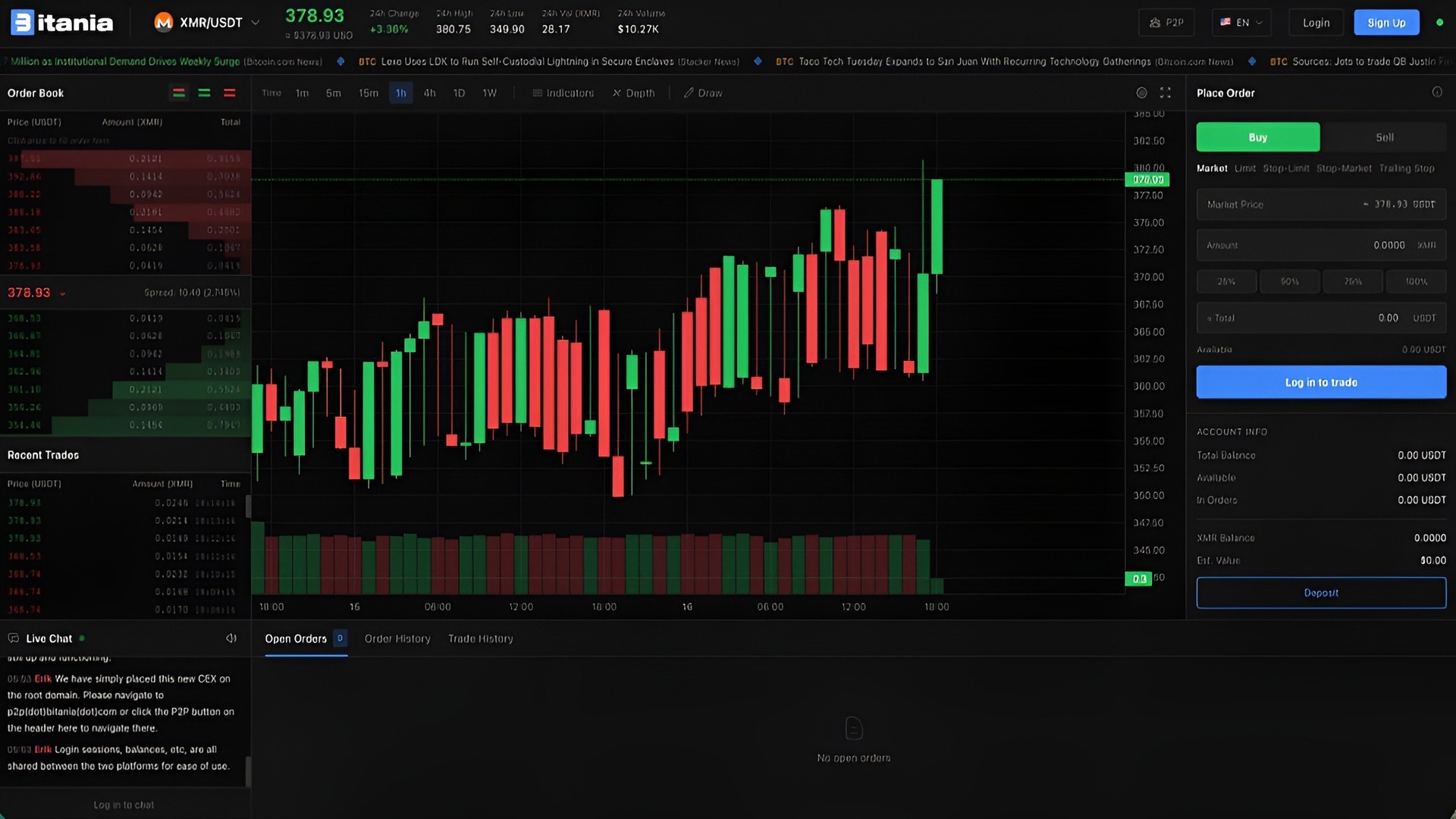

Volatility is a defining trait of cryptocurrency markets. Still, sudden slides in value often spark confusion, concern, and speculation among traders and the general public alike. Today’s pronounced downturn in the crypto universe poses a familiar question: what’s driving crypto prices lower? While each drop is unique, market corrections rarely hinge on just one factor. Instead, they reflect a web of influences—from global economic shifts to regulatory developments, sentiment swings, and systemic structural issues. To make sense of today’s decline, it’s crucial to dissect the main drivers behind the red numbers lighting up exchanges worldwide.
Macroeconomic Headwinds and Broader Market Weakness
Rising Interest Rates and Monetary Tightening
Global financial conditions play an outsized role in crypto market dynamics. Periods of monetary tightening—such as central banks raising interest rates—can cause investors to pull funds from speculative assets, including cryptocurrencies, and seek safety in government bonds or cash.
The U.S. Federal Reserve, for instance, frequently signals its policy path ahead of rate changes. Even hints at aggressive tightening often coincide with selloffs in both stocks and crypto, as seen in the wake of recent policy announcements. When borrowing costs increase and liquidity dries up, risk appetite shrinks.
“Crypto markets are highly sensitive to global liquidity and risk sentiment. When central banks tighten policy, it usually puts downward pressure on all risk assets, including digital currencies,” said Alex Krüger, macroeconomist and digital asset analyst.
Global Economic Uncertainty
Concerns over inflation, recession fears, or slowing growth in major economies routinely amplify crypto volatility. When geopolitical tensions rise—such as conflict flare-ups or trade disputes—investors frequently move funds into traditional safe-haven assets like the U.S. dollar, causing widespread selloffs in alternative assets.
Regulatory Shocks and Policy Announcements
New Restrictions or Crackdowns
One of the quickest ways to trigger a downturn in the crypto market is through unexpected regulatory action. Announcements of new restrictions—whether in the U.S., Europe, China, or elsewhere—often stoke fears about crypto’s long-term viability or limitations on trading.
For example, when China reiterated bans on crypto mining and trading in recent years, the market responded with sharp, immediate declines. More recently, scrutiny from the U.S. Securities and Exchange Commission (SEC) towards major exchanges and specific tokens has led to nervousness and flight from riskier coins.
Taxation and Compliance Pressures
Separately, rumors or details about new tax regimes for crypto income can also prompt short-term panic selling. Investors may rush to liquidate holdings ahead of key deadlines or policy start dates, compounding downward price moves.
Market Structure: Leverage and Liquidations
The Role of Leverage in Crypto Downturns
Crypto markets are notorious for high leverage: many traders borrow funds to amplify potential gains, which in turn magnifies losses. When prices begin to fall, cascading liquidations of leveraged positions can accelerate the downturn rapidly.
Consider the pattern: a moderate selloff triggers forced liquidations (“margin calls”) among leveraged traders, which unloads more crypto onto the market, driving prices down further. This process, amplified by algorithmic trading systems, often results in exaggerated swings compared to traditional markets.
Exchange Outages and Technical Glitches
During periods of extreme volatility, technical issues on major exchanges can exacerbate declines. Outages, withdrawal pauses, or slowdowns undermine confidence and prompt traders to exit positions hastily, further intensifying the market’s negative momentum.
Sentiment Swings and Social Media Influence
The Power of Fear, Uncertainty, and Doubt (FUD)
Investor psychology is fundamental in crypto, arguably more so than in established financial markets. Sudden drops tend to be accelerated by “FUD”—fear, uncertainty, and doubt—spread rapidly via social media channels like X (formerly Twitter), Telegram, and Reddit.
Bad news spreads fast: rumors of insolvency at a major exchange, hacking incidents, or negative statements from influential figures can create stampedes for the exit, even if later disproven.
Examples from Recent History
The collapse of Luna and the TerraUSD stablecoin in 2022 stands as a prominent case where sentiment and panic fueled fast, deep losses across the entire crypto sector. Once trust was shattered, even unrelated tokens suffered significant outflows.
External Catalysts and Black Swan Events
Security Breaches and Hacks
Security remains a critical vulnerability for crypto markets. Large-scale hacks—such as exchange breaches or major DeFi protocol exploits—have historically wiped billions in value within hours, shaking confidence and prompting sharp downturns.
High-Profile Bankruptcies and Fraud
In 2022, the high-profile bankruptcy of FTX sent shockwaves through the industry, triggering liquidity crises at other firms and a cascade of selloffs. Each new incident serves as a reminder of systemic fragility and the need for greater transparency and oversight.
Interconnectedness with Traditional Finance
Crypto markets no longer operate in isolation. Institutional involvement has increased linkages between digital assets and the broader financial system. Thus, turmoil in the banking sector, equity market corrections, or major currency moves often impact crypto prices as well.
Recent banking sector stress in the U.S. highlighted potential spillover effects, where concerns about traditional finance triggered parallel volatility in digital assets.
Short-Term vs. Long-Term Outlook
While daily or weekly downturns can inflict pain on investors, it’s essential to maintain perspective. Throughout its history, cryptocurrency has weathered dramatic cycles of boom and bust. Several times, markets have rebounded strongly after periods of regulatory clarity, macroeconomic stabilization, or technological progress.
Still, as regulatory frameworks solidify and institutional players enter the space, some analysts believe the biggest swings may become less frequent—though volatility is unlikely to vanish entirely.
Conclusion: Making Sense of Today’s Crypto Market Drop
The decline in crypto prices today is the result of a complex interplay: global economic headwinds, regulatory pressures, structural market vulnerabilities, and psychological factors all play vital roles. Investors face the challenge of distinguishing between short-term noise and longer-term trends. Awareness of these drivers enables both retail and institutional players to react more rationally—and, ideally, avoid the pitfalls of panic-driven decisions. As the crypto sector matures, transparency, robust regulation, and better risk management will likely underpin greater resilience in the face of future turbulence.
FAQs
Why do crypto markets move so quickly compared to stocks?
Cryptocurrencies are traded 24/7, and markets are highly fragmented and liquid, which means they react instantly to news and rumors. High leverage and lower regulation also amplify both gains and losses.
Does government regulation always lead to price drops in crypto?
Not all regulation triggers declines; clearer, fairer rules can boost confidence in some cases. However, unexpected or harsh crackdowns often cause uncertainty and short-term selloffs.
How do large hacks affect market sentiment?
Major hacks highlight vulnerabilities and often lead to rapid price declines across the market, even for coins not directly involved, due to shaken confidence in security.
Are current price declines part of a larger bear market?
Short-term drops don’t always signal a full-fledged bear market. It’s essential to consider broader trends, macroeconomic signals, and whether the causes are structural or temporary.
What should investors watch to understand crypto market moves?
Key factors include central bank policies, regulatory updates, major hacking incidents, social media sentiment, and movements on large exchanges. Monitoring these can provide early warnings of volatility.
Can crypto markets recover quickly after downturns?
Historically, crypto has demonstrated a capacity for rapid comebacks after significant downturns, though timing and triggers for recovery are difficult to predict and often depend on regulatory clarity and renewed investor confidence.