
Bitcoin remains the world’s best-known cryptocurrency, attracting both retail and institutional investors with its potential for significant returns and volatility. The Bitcoin price in USD is more than just a number on a screen—it serves as a real-time barometer of sentiment, economic uncertainty, and the rapid evolution of digital finance. As Bitcoin’s presence in the global financial ecosystem grows, understanding its price movements, the factors influencing its value, and how to analyze live BTC to USD data have become essential for any investor or observer.
The Significance of the BTC to USD Exchange Rate
The BTC to USD exchange rate is the most widely referenced metric in the cryptocurrency world. Quoted 24/7 on exchanges around the globe, the rate reflects how many US dollars are required to purchase one Bitcoin at any moment. For countless traders, miners, and businesses integrating digital assets, this figure is a linchpin for decision-making.
A live Bitcoin price chart offers insights far beyond daily headlines. Volatility in this rate can signal broader shifts—ranging from global risk appetite to geopolitical developments, regulatory changes, macroeconomic events like inflation, or even rapid shifts in blockchain technology adoption. As Bitcoin’s market cap has grown since its inception in 2009, the way financial markets, policymakers, and the public interpret these price swings has also matured.
Key Drivers of Bitcoin’s Price Movements
Unlike traditional equities, Bitcoin’s price isn’t driven by fundamentals like earnings or dividends. Instead, a complex web of macroeconomic, technical, and behavioral factors exerts influence on BTC/USD valuation.
1. Market Sentiment and Adoption
Public perception and news cycles have a powerful—and sometimes abrupt—impact on Bitcoin’s price. Statements by industry leaders, changes in government policy, or high-profile hacks often precede sharp price movements. The growing acceptance of Bitcoin as a payment method by large companies (such as Tesla’s former Bitcoin purchase, or PayPal’s crypto services), sparks further waves of adoption and price discovery.
2. Supply and Mining Dynamics
Bitcoin’s fixed supply of 21 million coins remains one of its core features. With scheduled “halving” events roughly every four years reducing mining rewards, scarcity becomes a driving force:
“The programmed scarcity of Bitcoin is at the heart of its value proposition. Halving events frequently trigger renewed investor interest and, historically, have coincided with upward price momentum.”
— Alexandra Hunt, Digital Asset Researcher
As of recent years, large-scale mining operations and institutional accumulation have further influenced the pace at which new coins enter circulation and are absorbed by the market.
3. Regulatory Landscape
Investors watch regulatory changes closely. Announcements of tighter oversight by bodies like the SEC, the European Union’s MiCA framework, or bans in major economies can create uncertainty. Conversely, moves toward legalization or the introduction of Bitcoin ETFs tend to buoy investor confidence and demand, occasionally resulting in price surges.
4. Macro and Monetary Trends
Inflation fears, currency devaluations, and shifting monetary policy have led more investors to consider Bitcoin as a hedge or “digital gold.” For example, periods of high inflation in the US dollar have sometimes correlated with increased demand for Bitcoin, as investors seek alternatives to traditional fiat assets.
How to Read a Live Bitcoin Price Chart
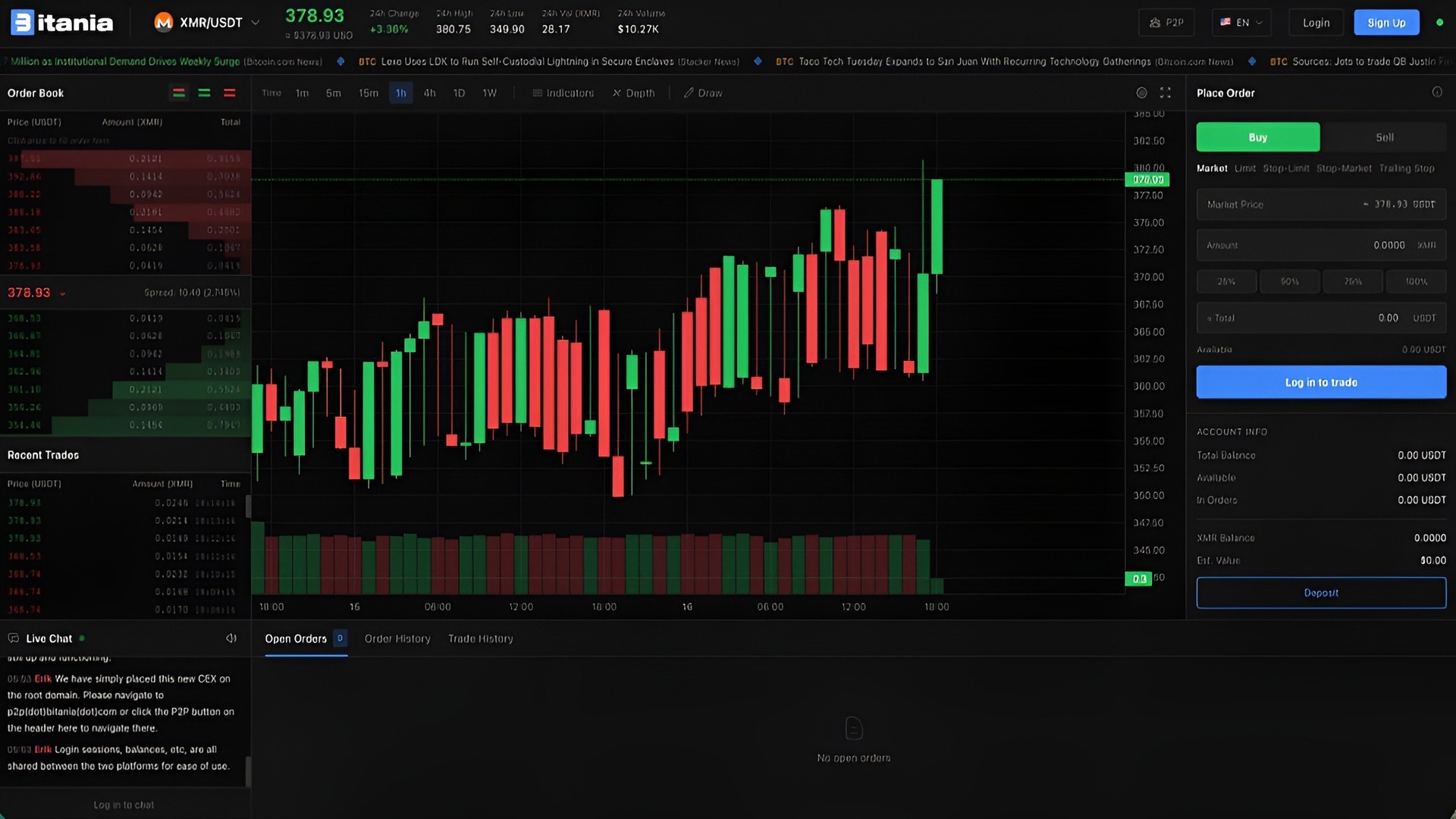
Modern investors rely on live BTC to USD price charts to time trades, assess sentiment, and model risk. These charts, offered by platforms like Coinbase, Binance, and TradingView, provide real-time updates drawing on liquidity from global exchanges.
Chart Features
- Candlestick views for visualizing high, low, opening, and closing prices within a given time interval
- Volume overlays to indicate transaction activity and market depth spikes
- Moving averages to filter out short-term volatility and define longer-term trends
- Key support and resistance levels to anticipate where momentum could change
Knowledgeable traders will also examine on-chain data, such as the movement of coins from exchanges to wallets (an indicator of accumulation), or increases in the number of active addresses.
Example: Volatility in Action
During sharp global events—such as mid-2021 when China intensified its cryptocurrency ban—Bitcoin’s price in USD briefly fell by more than 30% in a matter of weeks. This showcased both the asset’s sensitivity to regulatory headlines and its resilience, as markets rebounded with new buyers entering at lower price points.
Historical Trends and Current Price Performance
Bitcoin’s price history includes prolonged rallies, sharp corrections, and quiet accumulation phases. Early growth saw Bitcoin rise from virtually worthless to reaching notable psychological barriers—$1,000, $10,000, $50,000—each time attracting new waves of public attention.
In recent years, Bitcoin has experienced bouts of volatility driven by:
- The introduction of institutional investment vehicles (like Grayscale and Bitcoin ETFs)
- Increased adoption by nation-states (El Salvador making BTC legal tender)
- Major exchange hacks and system upgrades (such as SegWit implementation)
- Global shocks, including pandemic-related monetary stimulus and banking sector turmoil
Despite dramatic corrections, Bitcoin has consistently preserved significant value compared to its earliest days, driving ongoing debate among economists, policymakers, and technology leaders about its ultimate role in finance.
Comparing Bitcoin to Traditional Assets
Bitcoin’s appeal as “digital gold” stems from its built-in scarcity and independence from central bank control. Unlike traditional fiat currencies or even many stocks, Bitcoin’s price in USD reflects a global, 24-hour market. However, this comes with greater volatility—double-digit daily price swings are far from uncommon.
From a portfolio perspective, Bitcoin is uncorrelated with many standard asset classes, making it attractive for those seeking diversification. Conversely, this volatility can make Bitcoin unsuitable for risk-averse investors, particularly those with a short-term outlook.
Practical Tools for Tracking Bitcoin Price
A wealth of tools now exist to help users monitor and analyze live BTC to USD rates:
- Price aggregation websites: CoinMarketCap, CoinGecko, and Messari offer real-time prices and historical charts.
- Trading platforms: Exchanges such as Coinbase, Kraken, and Binance provide advanced charting, alerts, and order book depth.
- Portfolio management apps: Blockfolio and Delta enable users to track their holdings against real-time market prices.
- APIs and widgets: For developers and fintech businesses, APIs from providers like CryptoCompare or CoinAPI can integrate live BTC/USD rates into apps or websites.
Risk Management and Strategic Considerations
While stories of sizeable overnight profits pique the imagination, experienced participants treat Bitcoin’s volatility with caution. Risk management—setting stop-losses, using position sizing, and staying informed about regulatory headlines—remains paramount.
Financial planners often recommend only a small portion of portfolio exposure to high-volatility assets like Bitcoin. The rapid shifts in BTC/USD price mean that long-term holding strategies (“HODLing”) can be more forgiving than attempting to time short-term moves.
“Discipline and a clear plan are the best tools in navigating Bitcoin’s unpredictability. Emotional decisions driven by sudden surges or corrections tend to end poorly for most market novices.”
— Mark Saito, Crypto Investment Analyst
Conclusion: Navigating the Bitcoin Price Landscape
The Bitcoin price in USD is at once a reflection of evolving technology, shifting investor sentiment, and macroeconomic trends. While volatility will likely remain a defining feature, increased institutional participation, clearer regulatory frameworks, and broader real-world integration continue to shape the future landscape. For those looking to participate, equipping oneself with reliable data, robust charting tools, and sound risk strategies is more important than ever.
FAQs
What determines the current Bitcoin price in USD?
The BTC/USD rate is set by supply and demand on global cryptocurrency exchanges, reflecting trading volume, order books, and market sentiment in real time.
Why does the Bitcoin price fluctuate so much?
Bitcoin is influenced by speculative trading, news events, regulatory changes, and overall market sentiment. Its decentralized nature and limited supply contribute to higher volatility compared with traditional currencies.
How can I track Bitcoin’s live price?
Use reputable cryptocurrency exchanges or aggregator sites like CoinMarketCap and CoinGecko for live updates, charts, and historical pricing data.
Is Bitcoin a safe investment?
Like all investments, Bitcoin carries risks. Its volatility means prices can change rapidly, so it’s essential to research thoroughly and only invest what you can afford to lose.
What is a Bitcoin halving and why does it impact price?
A halving reduces the reward for mining new Bitcoin by 50%. This decreases the rate at which new coins are created, potentially increasing scarcity and influencing price dynamics.
Can the price of Bitcoin ever go to zero?
While technically possible, it’s unlikely given current adoption and institutional interest. Still, significant regulatory changes or loss of market confidence could impact its value substantially.