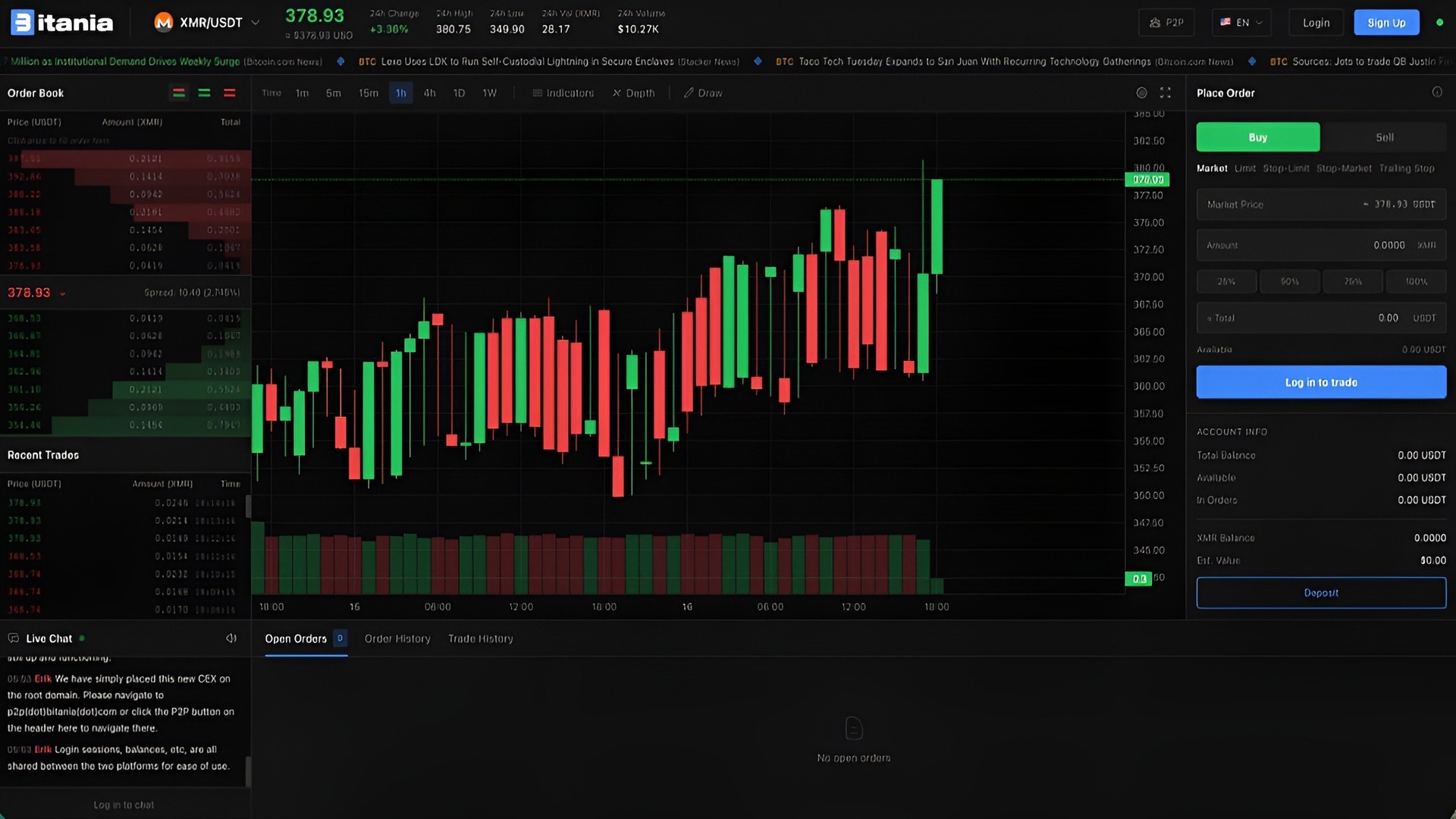

When Dogecoin was introduced in 2013, few could have predicted its dramatic journey. From a lighthearted “meme coin” to a highly discussed digital asset, Dogecoin’s price remains a subject of fascination within and beyond the crypto community. With market hype, celebrity endorsements, and shifting investor sentiment, the current Dogecoin price offers a revealing lens on broader cryptocurrency trends.
What Determines the Current Dogecoin Price?
The price of Dogecoin, like most cryptocurrencies, is driven by the interaction of several forces. Unlike traditional assets, DOGE lacks a central authority and is susceptible to rapid, sometimes unpredictable, fluctuations.
Key Influences on DOGE’s Market Value
- Investor Sentiment: Perhaps more than any other major crypto, Dogecoin’s value reacts quickly to online buzz and social media momentum. Influential tweets from celebrities or public figures, such as Elon Musk, have repeatedly sparked significant price volatility.
- Market Liquidity: Liquidity refers to how easily the asset can be bought or sold without significantly affecting its price. DOGE maintains high liquidity on major exchanges, but abrupt influxes or withdrawals of capital can still cause price swings.
- Blockchain Developments: While Dogecoin’s codebase has seen less frequent updates than projects like Ethereum, any notable upgrade, security patch, or network event can influence investor confidence and, by extension, price.
- Broader Crypto Market Movements: When Bitcoin and Ethereum trend upward or downward, DOGE often follows suit. Correlations between cryptocurrencies grow stronger during major market rallies or downturns.
- Macroeconomic Factors: Regulatory announcements, global economic conditions, and even traditional market sentiment spill over into the crypto landscape, impacting DOGE among other digital assets.
Market experts often frame Dogecoin’s price as a microcosm of retail investor energy in the cryptocurrency sector. As one industry analyst noted:
“Dogecoin’s price isn’t just a number—it’s a real-time measure of community engagement, risk appetite, and the viral mechanics that increasingly drive crypto markets.”
Tracking the Live DOGE Price and Chart Movements
For investors and enthusiasts alike, staying up to date on the live Dogecoin price is critical. Real-time price charts, offered by exchanges and data aggregators such as CoinMarketCap and CoinGecko, provide insight into minute-by-minute DOGE fluctuations.
How to Read a Live DOGE Price Chart
Dogecoin price charts typically display:
- Candlesticks or Line Graphs: Each candlestick captures open, close, high, and low prices during a specific period (minutes, hours, or days).
- Volume Bars: These indicate trading activity intensity, with larger bars signaling periods of heightened interest or volatility.
- Technical Indicators: Tools such as moving averages (MA), relative strength index (RSI), and Bollinger Bands help traders spot patterns—though with DOGE’s tendency toward sudden moves, patience and care are advised.
In practice, live price feeds and chart features empower both casual observers and seasoned traders to make timely decisions. However, due to crypto’s 24/7 nature, prices can change rapidly, especially when a viral event unfolds or broader market sentiment shifts overnight.
Recent Trends: Dogecoin’s Price Performance in Context
By late 2023 and early 2024, Dogecoin’s price showed resilience compared to earlier cycles. Although DOGE remains below its all-time high set during the bull run of 2021, it has sustained a dedicated investor base and a recognizable brand presence. Unlike some lesser-known altcoins, DOGE enjoys mainstream media coverage and pop-culture familiarity that helps buoy market interest during otherwise quiet periods.
Notable Events Affecting DOGE Value
- Elon Musk’s X (formerly Twitter) Acquisition: Each mention or hint regarding DOGE integration on major platforms (for tips, payments, or promotions) triggers visible price bumps.
- Crypto Market Recoveries: As overall market confidence returns, mid-cap assets like DOGE tend to gain momentum faster than larger peers due to their volatility and viral appeal.
- Third-Party Adoption: Several retailers and payment platforms, from small online shops to well-known brands, now accept Dogecoin. This underlying utility, while still modest compared to Bitcoin or Ethereum, has a psychological impact on price perceptions.
On the other hand, periods of regulatory uncertainty, hack incidents, or broader crypto sell-offs temporarily dampen DOGE enthusiasm—underscoring the asset’s sensitivity to the prevailing crypto narrative.
Technical Analysis: Support, Resistance, and Forecast Models
Technical analysts use a variety of charting tools to interpret patterns and predict where the Dogecoin price might move next. While no model guarantees results, certain frameworks repeatedly apply to cryptocurrencies exhibiting DOGE’s volatility profile.
Common Patterns and What They Mean
- Support Levels: These are price points where buying interest is historically strong, making further declines less likely unless sentiment turns sharply negative.
- Resistance Levels: Price points where historical selling pressure or profit-taking occurs, often stalling upward momentum.
- Moving Averages: 50-day and 200-day moving averages frequently serve as psychological anchors; crossovers between short- and long-term averages indicate potential trend shifts.
- Relative Strength Index (RSI): Values above 70 suggest DOGE is overbought (potential for a pullback), while values under 30 indicate it may be undervalued in the short term.
Even though these tools provide guidance, experts caution against overreliance on chart signals alone—especially for assets like Dogecoin, where sentiment-driven surges can overpower fundamental or technical reading.
How the Crypto Community and Institutions View Dogecoin
Dogecoin remains an outlier in the digital asset landscape. Many view it as a “people’s coin,” sustained by grassroots support and a vibrant online community rather than sophisticated technology or whitepaper promises.
Leading voices in crypto have alternately praised DOGE’s role in onboarding new users and warned against its volatility. Notably, some institutional players have started to offer DOGE exposure in structured products, but mainstream adoption as a serious payment mechanism is still evolving.
Use Cases and Mainstream Adoption
- Micropayments and Tips: DOGE’s low transaction fees and fast settlement times make it attractive for small-scale transactions, particularly on social platforms or within online communities.
- Charity Drives and Fundraisers: Over the years, the “Doge Army” has organized notable charitable campaigns, raising funds for causes ranging from clean water initiatives to disaster relief.
- Experimentation in Retail: A growing—but still modest—list of merchants accept DOGE, using it to attract publicity and engage digital-native consumers.
Risks and Volatility: What Dogecoin Investors Should Know
Despite its popularity, Dogecoin remains a speculative asset. Double-digit price surges (and equally sharp corrections) are not rare. It’s crucial for potential investors to keep risk tolerance and investment objectives front of mind.
- Lack of Supply Cap: Unlike Bitcoin, DOGE has no fixed supply, which can exert long-term inflationary pressure on price.
- Regulatory Environment: The evolving landscape of crypto regulation can impact DOGE’s price and liquidity—for better or worse.
- Short-term Hype Cycles: Dogecoin’s history is marked by spikes tied to viral moments. These can enrich a handful of quick actors, but also leave slower-moving investors exposed to sudden losses.
Institutions and long-term investors tend to allocate only a very small share of their portfolios to DOGE, recognizing its risk-return profile.
“Every investor should approach Dogecoin with the same diligence as any high-risk asset: measure your position, stay informed, and beware of acting solely on hype.”
Conclusion: Navigating the DOGE Price Story
Dogecoin’s price is a mirror of both the cryptocurrency sector’s exuberance and its risks. Fueled by community spirit, online culture, and speculative energy, DOGE remains a fixture in the global crypto conversation. For investors and observers alike, understanding its price movements means combining chart analysis with a clear-eyed view of social factors and market context.
Staying informed, using reliable data sources, and recognizing the inherently unpredictable nature of assets like DOGE are essential. Whether Dogecoin continues as a fun meme or becomes a lasting mainstream currency, its price journey will offer valuable lessons for the evolving digital economy.
FAQs
What is the current Dogecoin price and how often does it change?
The price of Dogecoin is highly dynamic and can change every second, especially during periods of increased trading activity or news events. Up-to-the-minute prices are available from leading exchanges and price aggregators.
Why is Dogecoin more volatile than other cryptocurrencies?
Dogecoin is particularly sensitive to social media trends and influencer commentary, which can cause swift movements based on hype rather than fundamentals. Its larger circulating supply and lower market cap also contribute to this volatility.
How do I check live Dogecoin prices and charts?
Live DOGE prices and charts are accessible through platforms like CoinMarketCap, CoinGecko, and most major cryptocurrency exchanges. These tools provide real-time data, historical trends, and technical analysis features.
What causes major spikes or drops in Dogecoin’s price?
Notable price changes are often triggered by influential tweets, celebrity endorsements, broader crypto market movements, or unexpected news—both positive and negative.
Is DOGE a good long-term investment?
Dogecoin can experience rapid gains but is also prone to sharp corrections. Most financial advisors recommend a measured, diversified approach and suggest only allocating a small portion of a portfolio to speculative assets like DOGE.
Can I use Dogecoin for purchases or payments?
A growing number of merchants and platforms accept DOGE as payment, mainly for online goods or services. However, mainstream adoption is still in its early stages compared to established cryptocurrencies like Bitcoin.