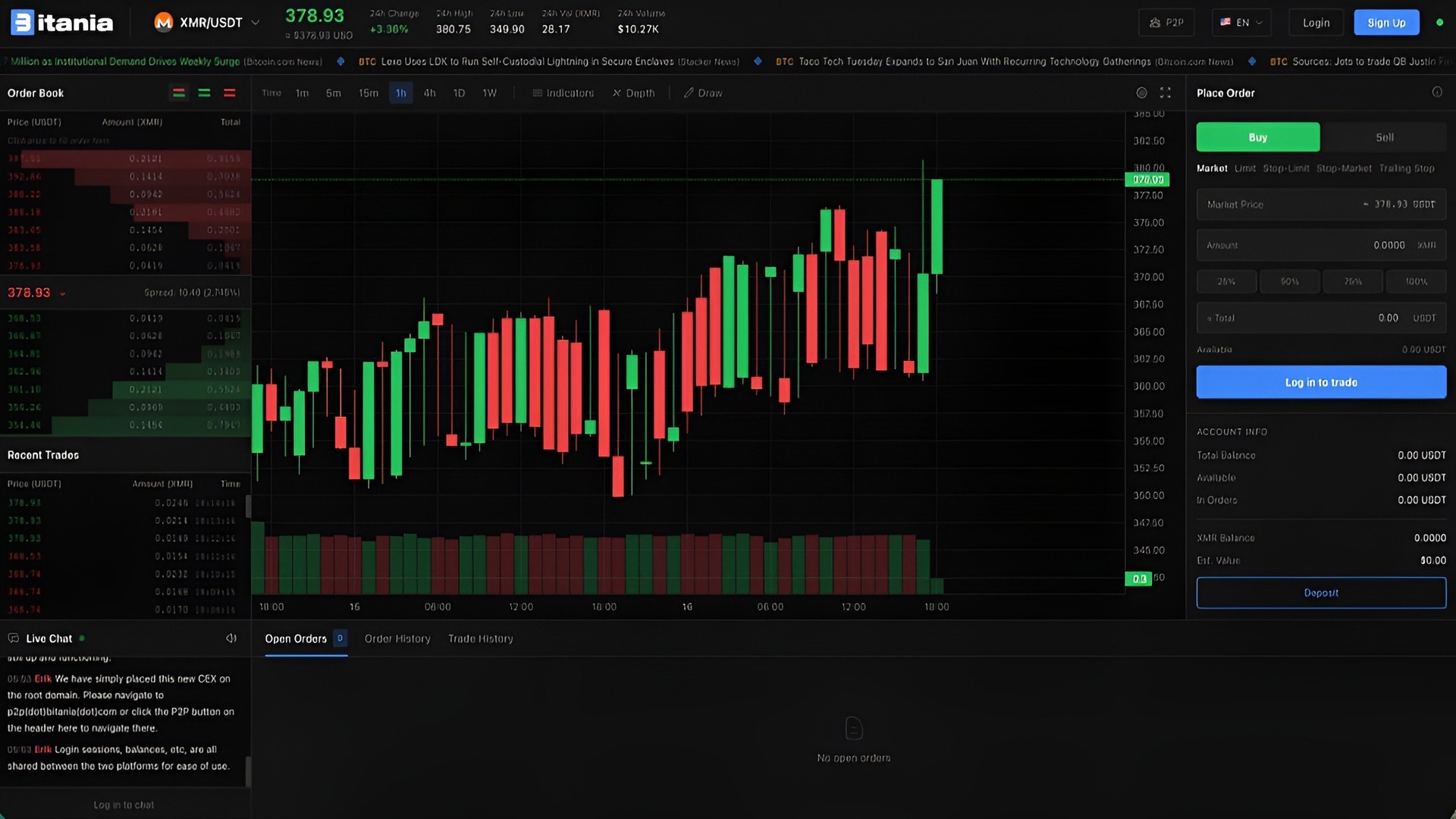

Ethereum (ETH) stands at the crossroads of finance and decentralized technology, serving both as a digital asset and the backbone for a multitude of decentralized applications. Observing the current ETH price is not merely an exercise in number-watching—it’s a window into the broader movements of crypto innovation, adoption, and global financial sentiment. Today, Ethereum’s market dynamics are shaped by a confluence of factors from regulatory headlines to technological upgrades, making price analysis a process that blends data with context and foresight.
The Anatomy of Ethereum’s Price: What Drives Live Value?
Ethereum’s price at any given moment represents the intersection of supply, demand, and market psychology. Like most cryptocurrencies, ETH trades continuously across a range of global exchanges, where its value is set by the latest transaction. The “live” ETH price typically refers to a volume-weighted average drawn from major trading platforms—reflecting up-to-the-minute shifts in sentiment and liquidity.
Key Drivers of Ethereum’s Market Price
The ETH price responds to several intertwined forces, including:
- Market Liquidity and Exchange Trends: Deep, liquid markets allow for tighter spreads and more accurate price discovery, especially during periods of high volatility.
- Institutional Adoption: Growing involvement from hedge funds, family offices, and even pension funds introduces significant capital and increased price stability—though it can also amplify swings during periods of risk aversion.
- Global Regulatory Environment: Announcements regarding securities classification, taxation, and the legality of DeFi (decentralized finance) protocols can cause rapid price recalibrations.
- Macroeconomic Conditions: Shifts in interest rates, inflation expectations, and global risk appetite routinely move all crypto markets, with ETH often seen as representative of the broader sector.
Beyond these, sentiment around major upgrades or “hard forks” (such as the Ethereum Merge) routinely leads to dramatic repricing, as observed during each phase of Ethereum’s transition from proof-of-work to proof-of-stake consensus.
“Ethereum’s price is as much a reflection of market psychology as it is of technical advancement. General interest often follows major milestones, but the underlying narrative can change quickly with regulatory or macroeconomic surprises.”
— Linda Xie, crypto asset management executive
Technical Analysis: Reading Ethereum’s Charts Today
While news and macro developments set the stage, the everyday drama of the ETH price unfolds in chart patterns and trading volumes. Technical analysis (TA) remains a favored approach for both professional and retail traders, using historical price action to forecast probable moves.
Essential Technical Indicators for ETH
Experienced analysts often track:
- Moving Averages (MA): The 50-day and 200-day MAs offer a snapshot of short- and long-term momentum.
- Relative Strength Index (RSI): Gauges whether ETH is overbought or oversold, with readings above 70 suggesting a downturn may be near, and below 30 indicating possible rebound.
- Volume Oscillators: Help confirm the legitimacy of price moves. A surge in volume during a breakout suggests new trend strength, while a rally on thinning volume often proves unsustainable.
For instance, periods where ETH consolidates tightly then breaks above significant resistance levels (for example, a psychological round number like $2,000) often foreshadow further moves as technical traders pile in. Conversely, when ETH’s price respects certain Fibonacci retracement levels (such as the 61.8% reversion), it often signals zones of strong support or resistance.
Chart Patterns and Current Realities
Recent years have witnessed Ethereum navigating through ascending channels, flag formations, and double-bottom reversals. Institutional traders, increasingly active in the digital asset space, amplify patterns previously dominated by retail speculation. Tools like candlestick analysis remain central, with bullish engulfings or “hammer” formations often preceding short-term price bounces.
Fundamental Analysis: Looking Beyond Price Action
Price action reveals what’s happening, but not always why. For the ETH price, fundamental analysis delves into user adoption, network activity, development milestones, and economic design.
Core On-Chain Metrics
- Active Addresses & Transaction Volume: Spikes often reflect growing usage or investor interest, preceding price appreciation.
- ETH Supply Staking: With the launch of Ethereum 2.0’s proof-of-stake, tracking the proportion of ETH staked directly impacts available liquid supply—potentially tightening upward price pressure during bull markets.
- Network Fees (Gas Prices): Surging gas costs may deter usage but also indicate periods of peak activity, reflecting underlying demand.
For many industry observers, the growth of DeFi and NFTs on Ethereum’s infrastructure marks a structural transformation that increasingly supports price resilience, even as rivals like Solana or Avalanche seek market share.
The Broader Context: Ethereum Versus Macro and Competitors
No asset exists in a vacuum. Ethereum’s live price is shaped not only by its own ecosystem but by trends across crypto and traditional finance.
Correlation With Traditional Markets
During risk-off events or global sell-offs, ETH has historically traded in tandem with Bitcoin and, to an increasing degree, with Nasdaq tech stocks. However, during periods of crypto-specific enthusiasm—such as after a successful upgrade or the launch of a major app—Ethereum may decouple and outperform.
Competing Blockchains and the Market Share Debate
While Ethereum pioneered programmable smart contracts, rivals now offer low-fee, high-speed alternatives. In practice, Ethereum’s dominance is challenged but not erased. Its robust layer-two scaling solutions and relentless developer activity continue to attract DeFi and NFT projects, lending weight to the network despite periodic surges by Layer-1 alternatives.
Real-World Scenario: ETH Price Reactions to a Major Upgrade
History offers clear examples of the market’s response to material events. When Ethereum completed its long-awaited “Merge” upgrade in September 2022, transitioning to proof-of-stake, the ETH price rallied in anticipation, buoyed by reduced energy usage and greater ESG compatibility for institutional investors. However, as is common in crypto markets, the completion triggered a classic “sell the news” pullback, highlighting the role of trader expectations in live price discovery.
Current Trends and Looking Ahead
Recent ETH price action suggests the digital asset continues to play a leading role in shaping crypto market cycles. From historic volatility during speculative booms to newfound relevance in ETF discussions and regulatory debates, Ethereum maintains institutional and retail attention alike.
As the cryptocurrency sector matures, several catalysts are poised to influence ETH’s price future: layer-two adoption, increased staking, new DeFi use cases, and evolving global regulations. A clear trend emerges—Ethereum’s value proposition continues to deepen, with its price reflecting both ongoing risk and transformative potential.
Conclusion
Tracking the current ETH price is more than just watching numbers fluctuate—it’s deciphering the heartbeat of a dynamic, fast-evolving technological and financial ecosystem. With influences ranging from network upgrades to macroeconomic headwinds, Ethereum’s value remains as much a signal of future promise as present demand. Traders and investors who succeed are those who combine real-time data analysis with a nuanced view of market drivers, remaining agile amid change.
FAQs
What factors influence the current ETH price most significantly?
Ethereum’s live price is primarily shaped by market demand and supply, news affecting crypto regulation, technology upgrades, and broad macroeconomic trends. Network usage and adoption rates also play a crucial role.
How often does the ETH price change?
ETH trades 24/7 across global exchanges, with its price updating continuously in real-time based on the latest trades and aggregate exchange data.
Can technical analysis predict future ETH prices?
Technical analysis can help identify patterns and potential turning points in price but does not guarantee future results. It’s best used alongside fundamental and sentiment analysis for a holistic view.
Why does ETH sometimes move in tandem with Bitcoin or stock indices?
ETH is often influenced by broader market sentiment and macroeconomic trends, leading to correlations—especially during global risk events or strong crypto market cycles.
How does Ethereum’s utility affect its price?
Widespread use in DeFi, NFTs, or enterprise applications increases demand for ETH, which can drive up its price, especially when network upgrades or innovations unlock new features or efficiencies.
Is staking ETH likely to impact its price in the long term?
Staking reduces the circulating supply of ETH, potentially creating upward price pressure if demand remains strong. The full impact will depend on network adoption and broader investor sentiment.