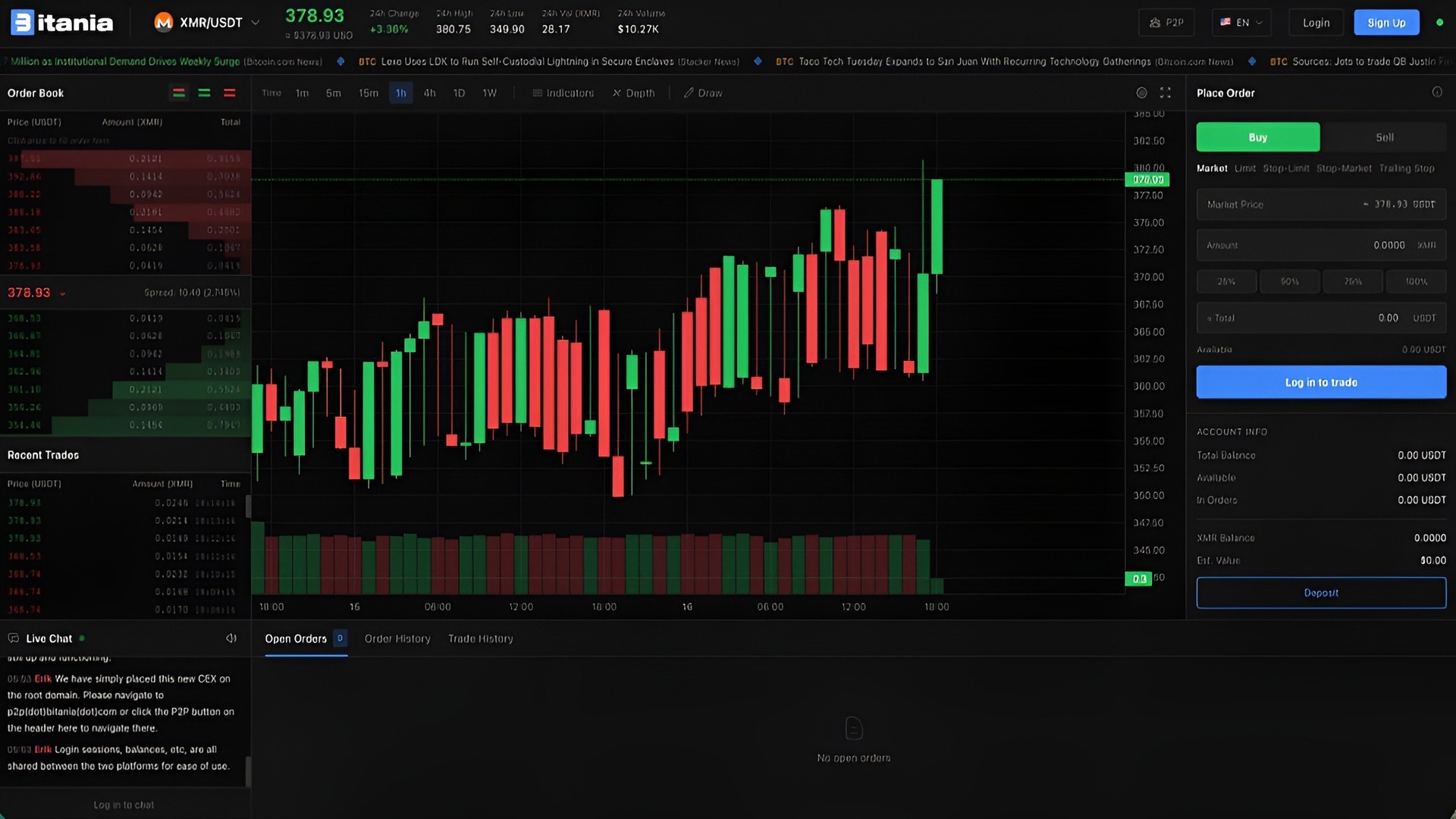

Ethereum (ETH) consistently stands as a pillar of the cryptocurrency ecosystem, second only to Bitcoin in market capitalization and influence. As interest in digital assets expands across global markets, tracking the ETH price in USD has become essential for individual investors, institutional players, and anyone navigating the evolving world of blockchain. But what actually drives Ethereum’s USD price, and how can stakeholders interpret the continual shifts in the Ethereum to USD exchange rate?
A Brief History of Ethereum and its Price Trajectory
Since its launch in 2015, Ethereum’s price against the US dollar has experienced dramatic rises and corrections. Early adopters witnessed ETH’s value soar from mere cents to several hundred dollars within just a couple of years. The 2017-2018 bull run saw ETH reach all-time highs near $1,400, before retracing during the subsequent bear market.
What followed was a period of building and innovation—particularly with the rise of decentralized finance (DeFi) and non-fungible tokens (NFTs) on the Ethereum network. These developments fueled renewed ETH demand, culminating in a new wave of price discovery. By late 2021, Ethereum had broken previous records, briefly trading above $4,000 USD.
Beyond these headline numbers, Ethereum’s price movements have reflected broader market cycles, regulatory announcements, technological upgrades, and periodic investor sentiment shifts.
Key Factors that Impact ETH Price in USD
Numerous factors influence the live Ethereum to USD exchange rate:
1. Network Activity and Utilization
Ethereum’s utility comes from its ability to host decentralized applications (dApps) and execute smart contracts. High demand for these services, whether from DeFi lending platforms or NFT marketplaces, translates directly into greater need for ETH—Ethereum’s native token—since users pay transaction fees (gas) in ETH.
Significant network events, such as major NFT launches or DeFi protocol upgrades, often correlate with spikes in transaction volume and, occasionally, upward price momentum.
2. Market Sentiment and Global Macroeconomics
Crypto markets are famously sensitive to sentiment. Developments such as US regulatory announcements, technological upgrades (like Ethereum’s Merge or “Shanghai” upgrade), or broader economic factors—interest rate changes, inflation pressures—have pronounced effects on ETH’s value relative to the dollar.
Unlike fiat currencies, Ethereum’s price is also influenced by participation from global, 24/7 markets, encompassing a diverse spectrum of retail and institutional investors.
3. Supply Dynamics and Staking
With the transition to Ethereum 2.0 and the adoption of a Proof-of-Stake (PoS) consensus mechanism, the way new ETH enters circulation has fundamentally changed. Many ETH holders now “lock up” their assets to secure the network and earn rewards. This staking process effectively reduces available supply, which, all else equal, can exert upward pressure on price.
Additionally, mechanisms like EIP-1559 introduced a partial “burn” of transaction fees, permanently removing some ETH from circulation—a feature that some analysts liken to periodic “buybacks” in traditional finance.
“Ethereum’s move to deflationary economics—via staking and EIP-1559—has real implications for long-term value. Fewer coins in circulation may amplify price effects in bullish periods, making ETH a unique digital asset,” says Michael Sonnenshein, CEO of Grayscale Investments.
4. Competition and Ecosystem Risks
While Ethereum was the first-mover in smart contract platforms, it faces competition from blockchains like Solana, Avalanche, and Binance Smart Chain. The pace of Ethereum upgrades, network congestion, and gas fees remain watchpoints for users weighing ecosystem loyalty against alternatives.
Similarly, events like smart contract bugs, major hacks, or forks can dramatically shift confidence and trading behavior, sometimes reflected in swift adjustments to ETH’s USD price.
How Live ETH Price Feeds Work
Real-time ETH to USD exchange rates are available on every major cryptocurrency exchange and aggregator. These trackers aggregate trading activity from hundreds of active ETH/USD markets—including spot, futures, and decentralized exchanges.
Most price feeds rely on:
- Weighted averages: Considering both price and traded volume across exchanges
- Aggregators and APIs: Pulling data from sources like CoinMarketCap, CoinGecko, and centralized exchanges
- On-chain data: Supplementing with real-time blockchain analytics to gauge market depth and flows
Traders, analysts, and dApps often integrate these feeds into dashboards and smart contracts, enabling everything from price alerts to automated trading instructions.
ETH Price Correlations: Bitcoin and Beyond
Ethereum’s price rarely moves in isolation. Historically, ETH/USD closely mirrors the price action of Bitcoin, given the latter’s market dominance. When Bitcoin rallies or enters a period of high volatility, most cryptocurrencies—including Ethereum—follow suit.
However, as Ethereum’s unique use cases mature, correlations can weaken. For instance, periods of high DeFi or NFT activity have driven surges in ETH that outpace Bitcoin’s gains, hinting at Ethereum’s emerging fundamental value drivers.
Real-World Examples: What Moves the Market?
Several market events provide a window into the dynamic nature of the ETH price:
- The “DeFi Summer” of 2020: Explosive interest in decentralized finance led to exponential growth in ETH used as collateral, spiking demand and on-chain activity.
- Ethereum Merge (2022): The long-awaited shift from mining to staking was widely anticipated. Leading up to the event, ETH saw both increased buying (on hopes of improved tokenomics) and post-Merge volatility as the market digested the upgrade’s implications.
- Major regulatory headlines: News around potential SEC classification of ETH as a security, or legislative updates from the EU and Asia, often prompt immediate price reactions—underscoring the importance of policy in shaping market behavior.
Exchange Rate Volatility: Challenges and Opportunities
The ETH/USD rate is known for sometimes-violent swings. Day traders and institutional desks may seek to profit from this volatility, employing derivatives and options to hedge risk or speculate.
For long-term holders (“HODLers”), the focus is often on macro trends—such as progressive network upgrades, ecosystem partnerships, and the gradual mainstreaming of Ethereum applications.
But for all market participants, clear visibility into live Ethereum prices in USD is crucial—whether for portfolio management, payroll disbursement in crypto, or simply gauging entry and exit points for trades.
Risk Management Considerations
Investing in Ethereum and other cryptocurrencies remains high-risk. Despite increasing institutional adoption and clearer regulatory frameworks, the potential for rapid value swings underscores the need for proper risk controls:
- Diversification to spread exposure
- Use of stop-losses in trading
- Staying informed on technological and regulatory landscape changes
The Road Ahead: What’s Next for ETH and USD Pricing?
Ethereum’s evolution—both as a programmable blockchain and as an asset representing a rapidly-adapting community—positions it at the heart of Web3 and decentralized technology. The Ethereum Foundation and a massive open-source developer base continue to advance scaling solutions, privacy features, and greater network resilience.
As decentralized finance, NFTs, and enterprise blockchain solutions become further entwined with the global financial system, the ETH price in USD will remain a closely-watched barometer—not just of crypto markets, but of a much larger experiment in trustless, programmable value.
Conclusion
Monitoring the Ethereum price in USD offers far more than a narrow trading lens. It captures the convergence of technology innovation, macroeconomic trends, and human behavior. The factors influencing ETH’s value—network upgrades, staking dynamics, market sentiment, and regulatory shifts—each tell a story of where digital assets are heading next. For investors and observers alike, understanding both the drivers and risks behind the live Ethereum to USD exchange rate is critical in this era of accelerated change.
FAQs
What determines the live ETH to USD exchange rate?
The exchange rate is set by open market trading across global crypto exchanges, reflecting supply, demand, and macroeconomic influences.
How can I track real-time Ethereum price in USD?
Reliable platforms like CoinMarketCap, CoinGecko, and most major crypto exchanges provide up-to-the-minute ETH/USD quotes, often with charting and historical data.
Does Ethereum’s price move independently of Bitcoin?
While ETH often follows Bitcoin’s overall market direction, network-specific developments (such as major upgrades or surges in dApp activity) can lead to independent price movements.
What risks should I consider when trading ETH/USD?
The main risks include high price volatility, regulatory uncertainty, and technological vulnerabilities. Sound risk management and ongoing research are essential.
How do Ethereum upgrades affect its USD value?
Network upgrades, like transitioning to Proof-of-Stake, often impact sentiment and supply dynamics, which in turn can result in significant price changes depending on investor expectations.
Is ETH a good long-term investment compared to other cryptocurrencies?
Ethereum is widely regarded as foundational in the crypto sector, but its investment potential depends on your strategy, risk tolerance, and belief in the future of decentralized technology. Diversification remains key in such a volatile sector.