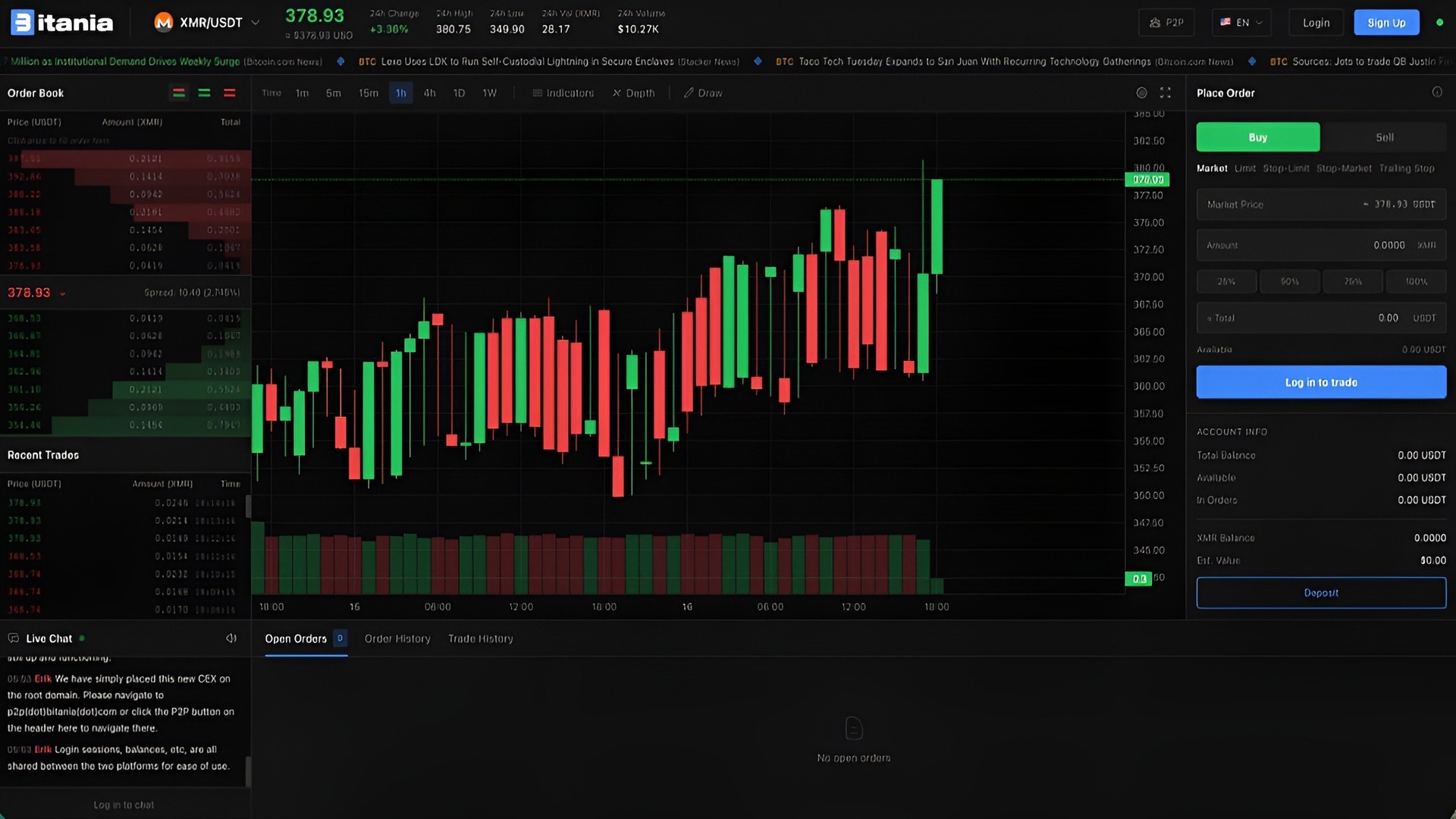

Ethereum (ETH) stands as the second-largest cryptocurrency by market capitalization, influencing the broader digital asset landscape and powering the world’s leading smart contract platform. For investors, developers, and fintech observers, monitoring the current Ethereum price is central to understanding both speculative sentiment and the technological evolution reshaping the blockchain industry. Contextualizing ETH’s price involves not just real-time numbers but also deeper shifts across economic, regulatory, and innovation cycles.
The Basics of Ethereum Valuation
Ethereum’s price fluctuates against fiat currencies such as the US dollar (USD) and euro (EUR) on global exchanges. This real-time ETH value is shaped by a blend of demand and supply dynamics, operational network factors, and wider investor confidence.
Unlike traditional stocks or commodities, ETH’s value proposition is tied to decentralized finance (DeFi) applications, non-fungible tokens (NFTs), and a growing ecosystem of developers leveraging its blockchain. Its price is also often compared to other cryptocurrencies, most notably Bitcoin (BTC), which serves as a sort of reference benchmark.
On any given trading day, ETH price can experience significant volatility, with swings driven by global events, regulatory news, and high-profile technology upgrades. For instance, network upgrades such as “The Merge,” which transitioned Ethereum to a proof-of-stake system, not only impacted short-term valuation but also cast long-term narratives around sustainability and scalability.
Live Price Data: Market Cap and Trends
Tracking real-time ETH price charts reveals both immediate sentiment and longer-range cycles. Ethereum’s market capitalization—calculated as the current ETH price multiplied by total circulating supply—serves as a vital indicator of its standing versus other digital assets.
Market Cap and Its Implications
Market capitalization is more than a raw figure—it reflects perceived network value and project confidence. In periods of rapid ecosystem development or surging DeFi activity, Ethereum’s market cap can outpace the broader crypto sector, sometimes inspiring a “flippening” narrative about ETH potentially overtaking Bitcoin in total value. While such scenarios are hotly debated, the underlying enthusiasm often translates to increased transactional volume and heightened institutional interest.
“Ethereum’s market cap is a barometer for blockchain innovation,” notes fintech analyst Sarah Wu.
“When you see sustained growth in ETH’s capitalization, it often corresponds to new breakthroughs in decentralized applications or a wave of enterprise adoption.”
Key Price Drivers
Several factors regularly influence ETH price fluctuations:
- Macro-Economic Sentiment: Movements in global equity markets, inflation, and monetary policy commonly correlate with ETH’s value, as investors weigh risk-on versus risk-off environments.
- Network Upgrades: Implementation of features such as Ethereum 2.0, sharding, or fee overhauls can trigger both speculative buying and fundamental value shifts.
- Regulation and Policy: Announcements from regulatory bodies—whether clarifying crypto’s legal status or proposing new restrictions—can lead to abrupt price swings.
- Competing Platforms: The rise of alternative layer-1 blockchains (e.g., Solana, Avalanche) sometimes draws liquidity away from Ethereum, impacting price direction.
Ethereum Price History: Volatility Revealed
A closer look at Ethereum’s price history highlights episodes of both exuberant rallies and sharp corrections. ETH experienced dramatic appreciation during bull cycles—such as the DeFi boom and NFT craze—while enduring steep declines in broader market downturns or during the aftermath of high-profile hacks.
Notable Price Movements
- 2017 Bull Market: ETH’s price leaped from under $10 in early 2017 to exceed $1,300 by January 2018, driven by an ICO (Initial Coin Offering) boom facilitated by Ethereum’s smart contract capabilities.
- 2020–2021 DeFi and NFT Surge: The rise of decentralized exchanges, lending protocols, and NFT marketplaces on Ethereum fueled a new all-time high, with ETH surpassing $4,000 amidst heavy network usage and media attention.
- Bear Market Adjustments: Macroeconomic tightening, collapses of major exchanges, and regulatory uncertainties led to significant retracements, sometimes halving or more from peak values.
Such volatility remains characteristic of the cryptocurrency sector. However, Ethereum’s technological roadmap and developer activity often bolster recovery, setting it apart from projects with less active ecosystems.
Tools for Tracking the Current Ethereum Price
As real-time price awareness is essential for traders and holders, several market data platforms provide current ETH price, live charts, and key analytics.
Leading Sources for Live ETH Data
- CoinMarketCap and CoinGecko: Offer instant ETH/USD pricing, historical charts, and market cap details across exchanges.
- TradingView: Delivers advanced charting tools and technical analysis overlays for deeper trend analysis.
- Crypto Exchanges (Binance, Coinbase, Kraken): List live order books, bid/ask spreads, and in-depth market metrics.
Beyond live prices, these platforms aggregate volume data, liquidity, open interest in derivatives, and even on-chain statistics such as gas fees and staking yields.
Factors Influencing ETH Value Beyond Speculation
While headlines often focus on short-term trading or price forecasts, several underlying dynamics continuously shape Ethereum’s valuation:
Technological Upgrades and Network Health
Ethereum’s ongoing upgrades—most notably the transition to proof-of-stake, sharding, and Layer 2 rollups—aim to reduce congestion and lower transaction costs. Improved efficiency and scalability attract more users and developers, potentially raising long-term demand for ETH.
Institutional Adoption
Large investment funds have allocated to ETH, citing it as both a digital gold analogue and a technology play. With the rise of Ethereum-based exchange-traded funds (ETFs) in certain jurisdictions, institutional exposure continues to grow.
On-Chain Activity
Key metrics include active address count, total value locked (TVL) in DeFi protocols, NFT transaction volume, and the number of smart contracts deployed. Persistent growth in these indicators generally signals healthy network demand, which supports ETH’s value.
Real-World Case Study: Ethereum’s “Merge” and Market Price Reactions
To understand how technical advancements impact ETH’s market profile, consider the Ethereum “Merge”—its switch from proof-of-work to proof-of-stake in September 2022. This overhaul dramatically slashed network energy consumption and reshaped discussions about Ethereum’s ESG (environmental, social, governance) credentials.
Market participants initially reacted with a surge in price, albeit with heightened volatility as investors reassessed the risk-reward balance. Exchanges and DeFi protocols braced for potential disruptions, but the transition proved seamless. In the months following, ETH’s price performance showed increased sensitivity to staking rewards, network participation rates, and macroeconomic conditions.
Strategic Considerations for ETH Stakeholders
For traders, investors, and businesses deploying applications, understanding Ethereum’s price means looking beyond the ticker. Technical analysis (using support/resistance, moving averages, and volume indicators) must be paired with fundamental insights about the network’s trajectory.
Long-term holders, sometimes dubbed “HODLers,” often frame ETH not just as a speculation tool, but as a foundational asset in a rapidly emerging decentralized digital economy.
Conclusion
Monitoring the current Ethereum price is more than an exercise in tracking a volatile digital asset. It is a window into the progress of decentralized technology, market sentiment, and the broader narrative driving innovation in Web3. As Ethereum continues to evolve, its value will likely reflect both short-term excitement and the steady march of long-term network adoption and development.
Staying informed using reputable data sources, understanding the drivers behind price moves, and aligning positions with broader technological trends can help both newcomers and seasoned stakeholders navigate the frequently shifting landscape of ETH valuation.
FAQs
What factors most influence the current Ethereum price?
ETH’s price is driven by a mix of market demand and supply, network upgrades, regulatory developments, sentiment in the broader crypto sector, and technological innovation within the Ethereum ecosystem.
How can I track the live Ethereum price and market cap?
Live ETH prices and market cap updates are available on platforms such as CoinMarketCap, CoinGecko, and major crypto exchanges, which offer real-time charts, order book data, and detailed analytics.
Why does Ethereum’s price fluctuate so much?
Cryptocurrency prices, including Ethereum, are known for high volatility due to speculative trading, rapid shifts in news, global economic factors, and the evolving nature of blockchain technology.
How do Ethereum network upgrades impact its price?
Major upgrades like “The Merge” often trigger market anticipation and increased trading volume, with prices sometimes surging or adjusting based on perceived improvements in network security, efficiency, and utility.
Is Ethereum’s price expected to rise long-term?
While predicting exact future prices is speculative, many analysts believe continued innovation, adoption of decentralized applications, and growing institutional interest could support higher ETH valuations over time.
What’s the difference between Ethereum’s price and market cap?
Price refers to the current value of one ETH token, while market cap multiplies that price by the total number of circulating tokens, offering a snapshot of the network’s overall economic scale.