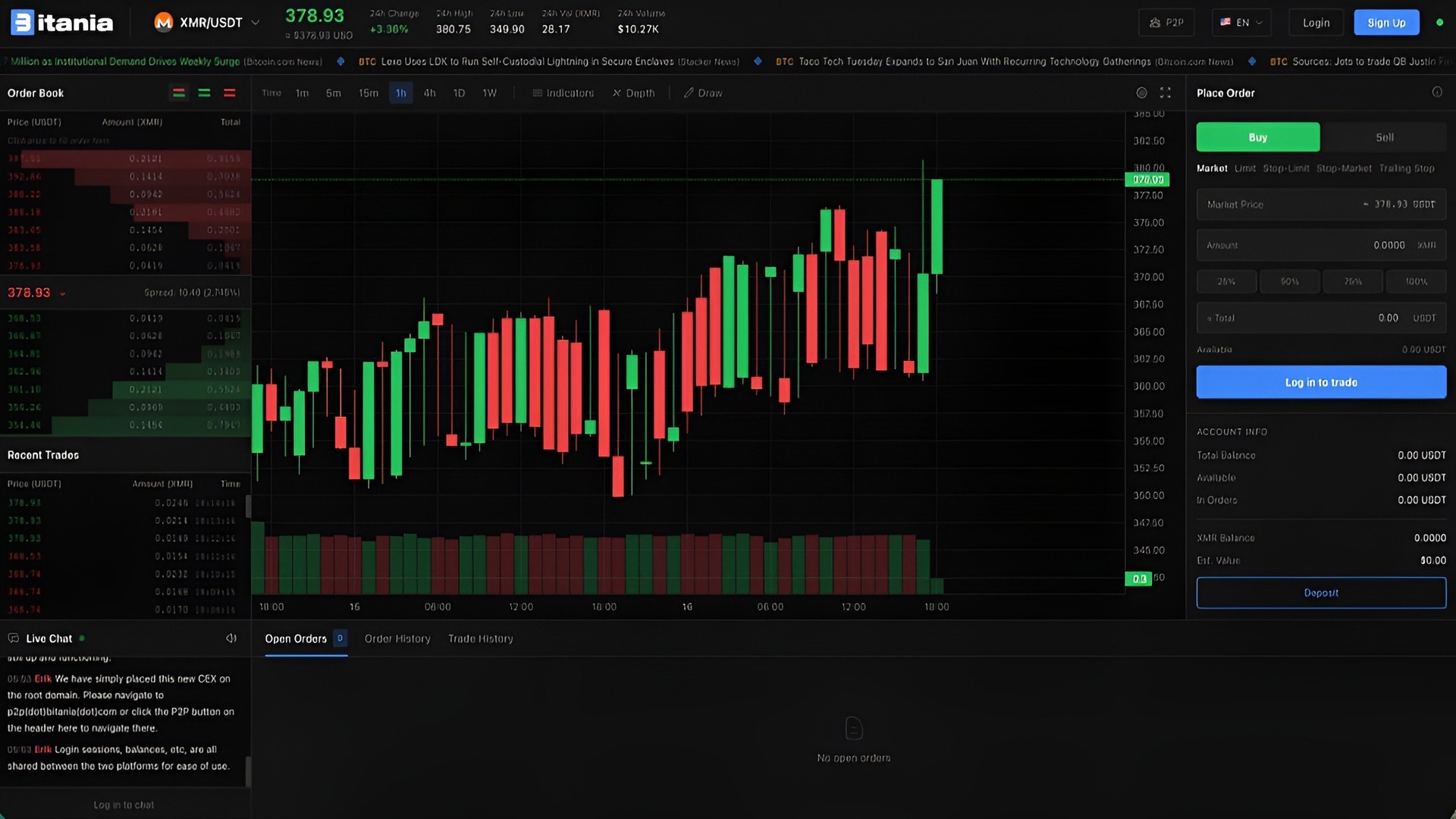

Bitcoin’s USD price today is more than just a headline figure—it’s a dynamic reflection of global investor sentiment, technological innovation, and shifting regulatory landscapes. Since its launch in 2009, Bitcoin has transformed from an obscure cryptographic experiment to the world’s best-known digital asset. Its exchange rate against the US dollar sets the pulse for the entire cryptocurrency sector, impacting traders, institutional investors, and everyday users worldwide.
How Is the Bitcoin to Dollar Exchange Rate Determined?
Bitcoin’s price in USD emerges from the open market, driven primarily by supply and demand in real time. Unlike traditional currencies supported by central banks, Bitcoin’s decentralized nature means no single authority sets its price. Instead, it is determined on global exchanges—Coinbase, Binance, Kraken, and others—where buyers and sellers meet.
Key factors influencing the exchange rate include:
- Market Demand: Increased interest from individuals, funds, or corporations often leads to upward price momentum.
- Supply Dynamics: With a fixed cap of 21 million bitcoins, scarcity is built into the protocol. This constraint can intensify volatility as new coins are mined at a predictable, decreasing rate.
- Macroeconomic Events: Inflation, currency devaluation, or geopolitical upheaval spur demand for non-sovereign assets like Bitcoin.
- Regulatory Developments: Announcements from governments or central banks can quickly swing sentiment, prompting sharp price moves.
- Institutional Activity: Investment from legacy financial players or launches of Bitcoin ETFs lend significant credibility and liquidity to the market.
“Bitcoin’s price is a barometer of digital asset adoption. When macro forces create uncertainty, we often see capital rotation from riskier assets into perceived safe havens—Bitcoin included.”
— Kate Leaman, Chief Market Analyst, AvaTrade
Recent Trends in Bitcoin Price Volatility
Historically, Bitcoin’s price chart has been marked by periods of rapid ascent and equally dramatic corrections. During the late 2017 bull run, Bitcoin surged near $20,000 USD, only to retrace substantially the following year. A similar parabolic move occurred from late 2020 to early 2021 as institutional attention intensified.
As of recent years, volatility remains a defining characteristic:
- Price Surges: Major adoption news, such as El Salvador declaring Bitcoin legal tender in 2021, triggered double-digit percent moves.
- Corrections: Exchange hacks, regulatory crackdowns (most notably in China), or broader economic shocks have often led to swift declines.
- Stabilization Periods: Between major events, Bitcoin sometimes enters consolidation phases, where price fluctuates within a narrower band, reflecting equilibrium between bulls and bears.
It’s critical for investors and traders to remain aware of these historical precedents while recognizing that each market phase can differ substantially due to evolving participants and macroeconomic contexts.
Real-World Use Cases and Institutional Adoption
Beyond daily price updates, the USD exchange rate for Bitcoin increasingly intersects with practical utility and mainstream finance. Payment platforms like PayPal and Square have introduced features allowing USD-to-BTC conversions and even Bitcoin payments at select merchants. Large asset managers, including Fidelity and BlackRock, have filed for or launched Bitcoin spot ETFs, making exposure to Bitcoin more accessible than ever before.
Institutional participation has:
- Enhanced market liquidity, smoothing out some price extremes,
- Accelerated regulatory scrutiny and compliance obligations,
- Fueled the narrative of Bitcoin as “digital gold,” especially during periods of inflation or central bank intervention.
For instance, MicroStrategy, a NASDAQ-listed firm, has famously shifted significant portions of its treasury reserves into Bitcoin, positioning itself as a bellwether for corporate adoption.
Analyzing the Key Drivers Behind Daily Bitcoin Price Movements
A closer look at day-to-day fluctuations reveals that short-term Bitcoin price trends are often dominated by:
1. News and Media Influence
Positive headlines—such as new all-time highs or institutional endorsements—can drive FOMO (fear of missing out) among retail investors, spurring price appreciation. Conversely, negative press, rumors of regulatory bans, or notable security breaches can spark broad sell-offs.
2. Technical Trading Patterns
Many traders analyze historical price charts using indicators like moving averages, support/resistance levels, or the Relative Strength Index (RSI). When prices breach key thresholds, algorithmic and human traders alike may trigger a cascade of buying or selling.
3. Network Fundamentals
Metrics such as hash rate (network security), active address counts, and on-chain transaction volumes provide clues about the health and usage of the Bitcoin blockchain. Surges in user activity can occasionally foreshadow price rallies.
4. Macro Backdrop
Global events—such as central bank interest rate decisions, inflation announcements, or currency crises—can create demand for non-correlated assets such as Bitcoin. For example, during periods when the US dollar loses value due to inflation, the Bitcoin’s USD price may strengthen as investors look for alternative stores of value.
Market Updates: How to Track the Live Bitcoin Price in USD
Staying up to date with the real-time BTC/USD rate or market movements is straightforward thanks to the abundance of reliable sources:
- Crypto Exchanges: Platforms like Binance, Coinbase, and Kraken provide live price feeds and historical data.
- Aggregators: Services like CoinMarketCap and CoinGecko compile data across exchanges, offering depth, volume, and price statistics.
- Financial News Media: Outlets such as Bloomberg, Reuters, and The Wall Street Journal have dedicated crypto desks, often providing context-rich updates on price moves.
- Blockchain Explorers: Sites like Blockchain.com show transaction flows and network fundamentals alongside live prices.
It’s advisable to compare prices across several marketplaces, as minor variations (arbitrage opportunities) can occur due to order book discrepancies or differing liquidity levels.
Common Strategies for Navigating Bitcoin Price Fluctuations
Given Bitcoin’s volatility, investors employ a variety of strategies:
- Long-term Holding (HODLing): Many believe in Bitcoin’s long-term growth potential and ride out short-term swings by simply holding their coins.
- Dollar-cost Averaging (DCA): By investing a fixed USD amount regularly, this strategy aims to smooth entry points and avoid market timing mistakes.
- Active Trading: Experienced traders leverage technical tools and news events to profit from short-term price movements; however, this requires advanced risk management.
Caution and diversification remain critical, especially as Bitcoin’s price can display both explosive upside and abrupt downturns.
Regulatory Landscape and Its Impact on Bitcoin Pricing
Regulation continues to wield significant influence over Bitcoin’s USD price. In countries like the United States, evolving stances from the Securities and Exchange Commission (SEC) have shaped both direct trading activity and the legitimacy of crypto investment vehicles.
Examples from recent years include:
- Spot ETF Approvals: The green light for spot Bitcoin ETFs on US stock exchanges marked a turning point in institutional accessibility.
- Enforcement Actions: Lawsuits against major exchanges or wallet services can foster uncertainty and temporarily depress prices.
- International Approaches: While some countries have embraced Bitcoin, others, notably China, have implemented stringent crackdowns, contributing to price volatility.
In this rapidly evolving space, regulatory events often precede both sharp rallies and swift corrections.
Conclusion: Navigating the Future of Bitcoin’s USD Price
Bitcoin’s current USD price represents the intersection of technology, global finance, and ongoing societal debates about the nature of money itself. It reacts to user adoption, macroeconomic challenges, and shifting regulations in real time. For investors and observers alike, monitoring the BTC/USD exchange rate yields insight not only into digital asset markets but into broader trends shaping the future of value transfer.
As new players enter the market and institutional infrastructure continues to expand, volatility may gradually recede, but Bitcoin’s pioneering role as the flagship digital asset remains secure. Staying informed, understanding market drivers, and adapting strategy will be essential for anyone engaged with—or simply curious about—Bitcoin’s price journey.
FAQs
What determines the live price of Bitcoin in USD?
Bitcoin’s price in USD is set by supply and demand on global cryptocurrency exchanges. Key influences include investor sentiment, macroeconomic factors, regulatory developments, and trading volumes.
Why does Bitcoin’s USD price fluctuate so much?
Bitcoin is more volatile than traditional currencies due to its limited supply, investor speculation, evolving regulations, and sensitivity to major news events. As new information enters the market, prices can shift rapidly.
How can I check the real-time Bitcoin price in dollars?
Live BTC/USD rates are available on major crypto exchanges like Coinbase and Binance, as well as aggregators such as CoinMarketCap and financial news websites. Prices can vary slightly between platforms.
What role do institutions play in Bitcoin’s price movements?
Institutional investors—through vehicles like ETFs or direct purchases—bring increased liquidity and visibility to the Bitcoin market. Their participation can both stabilize and amplify price moves, depending on market conditions.
Is investing in Bitcoin risky due to its price volatility?
Yes, Bitcoin is considered a high-risk asset because its price experiences significant swings. Investors should approach with caution, employ proper risk management strategies, and consider diversification.
Can regulatory actions impact the BTC to USD exchange rate?
Absolutely. Positive or negative regulatory news—from ETF approvals to government warnings—can have immediate and significant effects on Bitcoin’s USD price, influencing both retail and institutional market behavior.